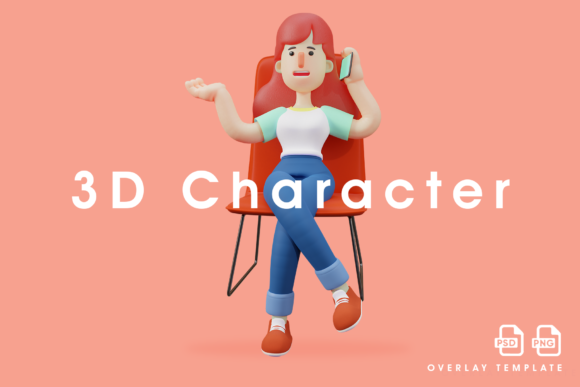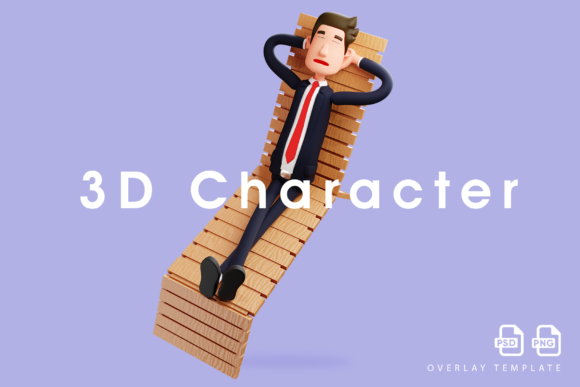
3D Design and the Lazy Chair: How Digital Modeling Transforms Relaxation Furniture
Imagine sinking into a perfectly contoured chair after a long day. The way it cradles your back, supports your neck, and lets your shoulders melt into soft upholstery — that feeling of weightlessness is no accident. Behind every great lazy chair lies hours of thoughtful 3D design, a digital craft that blends art, engineering, and human comfort. Whether you are a furniture enthusiast, a budding designer, or simply someone curious about how digital tools shape the objects around you, understanding the role of 3D design in creating the ultimate relaxation seat offers a fascinating look into modern creativity and technology.
What Is 3D Design?
At its core, 3D design is the process of creating three-dimensional representations of objects using specialized software. Unlike a flat drawing or photograph, a 3D model can be rotated, scaled, and viewed from any angle. Designers build these models by manipulating virtual points, edges, and surfaces — much like sculpting clay in a digital space. Programs such as Blender, Autodesk Maya, SolidWorks, and Rhino 3D are common tools used across industries from video games to aerospace engineering. But one of the most practical and human-centered applications of 3D design lies in furniture making, particularly when the goal is relaxation.
The Lazy Chair as a Design Icon
The lazy chair — often called a recliner, lounge chair, or chaise — is not just a piece of furniture; it is a statement about slowing down. Its purpose is to support the body in a semi-reclined or fully reclined position, reducing pressure points and allowing muscles to relax. Designing such a chair requires balancing aesthetics, ergonomics, and material constraints. That is where 3D design shines. By modeling a lazy chair digitally before any physical prototype is built, designers can experiment with angles, curves, and cushion densities in ways that would be time‑consuming and expensive in a workshop.
From Concept to Digital Sculpt
Every lazy chair begins with an idea. A designer might sketch a rough silhouette on paper or brainstorm how a user should feel when seated. These initial concepts are then translated into a 3D environment. The typical workflow includes:
- Blocking out the shape: Using primitive forms (boxes, cylinders, spheres) to establish overall proportions. At this stage, the chair might look like a rough block, but the scale and seating angle are set.
- Adding details: Refining curves, armrests, and the backrest. For a lazy chair, the recline mechanism — whether manual or motorized — is modeled as a moving assembly.
- Applying surface modeling: Smoothing surfaces to create the organic, inviting forms that make a lazy chair comfortable to look at and to sit in.
- Simulating materials and textures: Adding leather, fabric, or foam visual properties. This step helps designers see how light interacts with the chair and how the material will look in a living room.
Throughout the process, the designer relies on digital sculpting tools to push and pull the virtual mesh, much like shaping clay. A skilled 3D artist can craft a lazy chair that appears so soft and supportive that you almost want to reach into the screen and sit down.
Ergonomics and Comfort in 3D
The ultimate test of a lazy chair is how it feels on the human body. 3D design allows ergonomic analysis to happen early in development. Designers can import a digital human model (mannequin) and test how the chair supports key areas: the lumbar curve of the lower back, the angle of the knees, and the distribution of pressure along the thighs and hips. By visualizing these interactions in 3D, the designer can adjust the chair’s contour to reduce strain and enhance relaxation. For example, a lazy chair intended for reading might have a slightly more upright back, while a nap‑focused recliner would feature a deeper recline and a built‑in footrest that elevates the legs to heart level.
For Manufacturers and Designers
In the furniture industry, 3D design has become indispensable. Companies use digital models to create photorealistic renderings for catalogs and online stores without building a physical prototype for every variation. This saves time, reduces waste, and allows rapid iteration. When a lazy chair design is finalized, the 3D model can be used to generate technical drawings for production or even to drive CNC machines and 3D printers. Some modern lazy chairs feature components produced directly from digital files, blurring the line between design and manufacturing.
For Consumers and Enthusiasts
Have you ever browsed an online furniture store and used the 360° view to inspect a chair from every angle? That immersive experience is made possible by 3D design. But the benefits go beyond shopping. Amateur designers and hobbyists now have access to affordable 3D software, enabling them to design their own lazy chair for personal use or for sharing online communities. This democratization of design means that even without a workshop, anyone can explore the joy of creating a comfortable, relaxing seat — exactly the way they want it.
- Customization: Adjust dimensions, colors, and materials to fit unique spaces and tastes.
- Virtual assembly: Test how the chair looks in a living room by combining a 3D chair model with a scanned room layout.
- Learning and creativity: 3D design is a rewarding hobby that combines technical skill with artistic expression.
Common Misconceptions About 3D Design
Many people assume that 3D design is only for video games or Hollywood movies. In reality, it is a core tool in industrial design, architecture, and — as we’ve seen — furniture crafting. Another misunderstanding is that 3D modeling is purely technical and lacks creativity. While it requires precision, the best 3D designers approach their work as artists, using lighting, composition, and form to evoke emotion. When you see a photorealistic render of a lazy chair bathed in warm afternoon light, you feel an invitation to relax. That emotional connection is a product of deliberate design choices, not just software commands.
There is also a belief that 3D design replaces physical craftsmanship. On the contrary, it complements it. A digital model often inspires new construction techniques or reveals ways to improve durability. Many skilled furniture makers use 3D prints of joint prototypes to test fit and finish before working with expensive hardwoods or steel. The lazy chair of today — whether it is a sleek Eames‑inspired lounger or a plush power recliner — owes much of its modern feel to digital simulation.
The Relaxing Side of 3D Design
Interestingly, the act of designing a lazy chair in 3D can itself be a relaxing activity. Many digital artists describe the experience of modeling as meditative — focusing on curves, smoothing surfaces, and adjusting lighting requires a calm, patient mindset. For some, creating a virtual space where a character (or even just the chair itself) can rest becomes a form of stress relief. This aligns with broader trends in digital wellness and mindful creativity. 3D design offers a way to step away from the noise of daily life and pour attention into a small, beautiful object — a lazy chair that exists only in pixels but feels real enough to soothe the soul.
Whether you are designing for a client, for your own home, or simply for the joy of making something beautiful, the combination of 3D design and lazy chair relaxation opens a world of possibilities. From ergonomic breakthroughs that improve physical health to creative experiences that calm the mind, this field continues to grow in relevance.
Final thoughts: The next time you sink into a comfortable chair, take a moment to appreciate the invisible work behind it. Thousands of digital adjustments, simulations, and creative decisions — all made possible by 3D design. And if you feel inspired, why not try creating your own? There is no better way to understand the art than by doing it. So open a software, start a new project, and design your dream lazy chair. You might just find that the process itself is as relaxing as the final product.