Evaluating the Paper Cut Pink Blue Background for Your Project
When you first encounter a Paper Cut Pink Blue Background, it might strike you as playful or nostalgic, but its value goes far beyond a casual first impression. This design approach combines a paper cutout aesthetic with a two-tone pink-and-blue palette, creating a textured, layered look that evokes handmade craftsmanship. Whether you are choosing visuals for a website, a social media campaign, a printed invitation, or an interior space, understanding the strengths and limitations of this style will help you decide if it truly serves your goals. This article walks through what the Paper Cut Pink Blue Background entails, why people are drawn to it, its practical tradeoffs, and how to determine whether it fits your context.
What a Paper Cut Pink Blue Background Actually Is
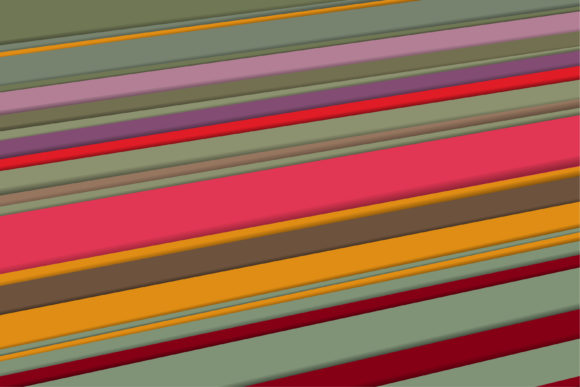
At its core, a Paper Cut Pink Blue Background mimics the appearance of layered paper pieces cut by hand or with precise tools. The pink and blue hues are typically soft pastels or slightly muted tones, though some variations incorporate vibrant shades. The background often features overlapping shapes – circles, waves, geometric forms, or organic silhouettes – that create depth through shadows and highlights. This style borrows from papercraft, collage art, and even children’s book illustration. In digital contexts, it is often rendered with vector graphics or 3D shading to simulate the tactile quality of actual paper.
The aesthetic can be subtle (a faint paper texture with a gentle gradient) or bold (layered cutouts with distinct pink and blue contrasts). Because the technique relies on apparent physical layers, it carries a sense of motion and dimensionality that flat backgrounds lack. That dimensionality is one of the main reasons designers and project leads consider this approach.
Why People Are Interested in This Background Style
Interest in a Paper Cut Pink Blue Background usually stems from a desire to communicate specific emotions or brand values. The paper cut effect suggests care, personalisation, and a handcrafted quality. In a digital landscape dominated by slick, automated visuals, a paper cut aesthetic can stand out as honest and approachable. Pink and blue, particularly in pastel forms, are associated with calmness, compassion, creativity, and sometimes gender-neutral themes, making the combination suitable for a wide range of audiences.
Another reason people explore this style is its versatility. The same basic technique can be adapted for different mediums: as a full-page background for a landing page, as a header element in a presentation, or as a repeating pattern on wrapping paper. The colors themselves can be shifted across the spectrum – blush pink with baby blue, magenta with navy, or dusty rose with teal – while still retaining the paper cut identity.
Benefits of Using a Paper Cut Pink Blue Background
When aligned with the right context, this background style offers several meaningful advantages.
- Visual depth without clutter. The layered paper effect creates a sense of space that draws the eye, yet it does not introduce the visual chaos of complex photography or busy patterns. Text and other content can remain highly readable if the layers are subtle and the shadows soft.
- Emotional warmth and approachability. The tactile illusion, combined with the pink and blue palette, often makes viewers feel more comfortable and receptive. This is particularly useful for brands or projects in wellness, education, children’s products, or community services.
- Differentiation in crowded visual spaces. Many websites and print materials default to simple gradients, flat colors, or stock photography. A well-executed paper cut background can help a project feel unique and thoughtfully designed without being flamboyant.
- Flexibility across applications. Because the style is primarily defined by structure and color, it can be scaled from small icons to large wall murals without losing coherence. Designers can also mix in other paper cut elements (like frames or buttons) to create a cohesive theme.
Tradeoffs and Considerations
No design choice is without downsides, and the Paper Cut Pink Blue Background has specific limitations that might affect your decision.
- Potential for overuse or trend fatigue. Paper cut aesthetics gained popularity in the mid-2010s and remain common in certain niches. If your audience is already saturated with this look, the background may feel derivative rather than fresh. Evaluate how widely the style has been used in your industry before committing.
- Color interpretation challenges. Pink and blue carry strong cultural and personal associations. Depending on your target audience, the combination might be read as exclusively gendered (e.g., baby shower or gender reveal), which could limit your message if you intend a more universal tone. Muted or neutral variations can help, but the risk remains.
- Rendering consistency across media. The subtle shadows and texture that make paper cut backgrounds convincing in high-resolution screens may be lost in low-light environments, on older displays, or in printed materials with limited color gamut. Test your design on multiple devices and print proofs carefully.
- Customisation effort. Crafting a truly convincing Paper Cut Pink Blue Background from scratch requires either skilled graphic design work or a high-quality template. Pre-made options exist, but they might not align with your specific composition needs. Outsourcing or investing time in creation can increase project costs.
Situations Where a Paper Cut Pink Blue Background Is a Strong Fit
Certain use cases naturally benefit from the qualities this background brings. You may want to consider it if:
- Your project targets a family-oriented or lighthearted audience. Children’s apps, parenting blogs, toy packaging, or party invitations often pair well with the handcrafted charm of the paper cut style.
- You need to humanise a digital service. A fintech app, a healthcare portal, or an educational platform can use a soft pink-blue paper cut background to signal that there are real people behind the technology, reducing the impersonal feel.
- You are creating a celebratory or festive piece. Birthdays, launches, and milestone announcements benefit from the layered, joyful appearance of this background style.
- Your content is minimal. Because the background itself has visual interest, it works best when overlaid with limited text or simple graphics. Pages with dense information might compete with the layered effect.
When Alternatives Might Serve You Better
Even if you are initially drawn to the Paper Cut Pink Blue Background, there are scenarios where a different choice could be more effective.
- Professional or serious contexts. If your project involves legal, financial, or crisis communication, the playful layered aesthetic may undermine credibility. A solid white, gray, or deep blue background with clean typography is usually safer.
- Content-heavy interfaces. Dashboards, data reports, and long-form articles require backgrounds that recede completely. The paper cut effect, even when subtle, adds a layer of texture that can fatigue readers over time. A flat pastel color might give you the same emotional tone with less noise.
- Audience that values modern minimalism. Some target groups, particularly in tech or luxury markets, prefer stark simplicity. A machine-cut paper look might feel too handcrafted or low-tech for their expectations.
- Budget or timeline constraints. If you cannot afford custom design or extensive testing, a generic paper cut background might look cheap or mismatched. In that case, a simple two-tone gradient or a subtle pattern could achieve a similar feel with less risk.
Practical Decision-Making Insights
To determine whether a Paper Cut Pink Blue Background aligns with your goals, ask yourself these three questions:
1. What emotional tone do I need to communicate? List the top three feelings your audience should have. If warmth, curiosity, or nostalgia appear high, the paper cut style supports them. If trust, authority, or urgency are more important, consider a more conventional background.
2. How much visual weight can my content bear? Place your intended text or graphics on a sample background. If they get lost or feel discordant, you may need to simplify the paper cut layers, adjust contrast, or switch to a flat alternative.
3. Will the background remain consistent across platforms? Test on a phone, a laptop, a large monitor, and a print sample. If the pink shifts to look orange or the blue turns gray in poor lighting, the effect may not be reliable enough for your application.
If you decide to move forward, start with a single hero element (such as a header or a single page) rather than applying it site-wide. This allows you to gauge audience reaction without a full redesign commitment. You can also combine the paper cut background with simpler elements elsewhere, creating contrast without overloading the viewer.
Finally, remember that the Paper Cut Pink Blue Background is a tool, not a brand statement by itself. Its success depends on how well it supports your core message and how consistently you execute the layers, shadows, and color balance. When used thoughtfully, it can make your project feel more human, more approachable, and more visually memorable. When used without testing or context, it risks distracting or confusing. Approach it as you would any design decision: evaluate your audience, test your execution, and be ready to pivot if the results do not match your objectives.