3D Number Design: Evaluation and Practical Insights
When you encounter a logo, a product label, or an infographic that uses numbers with depth and shadow, you are looking at 3D number design. This approach transforms flat numerals into dimensional objects, giving them visual weight and a sense of space. Whether you are a brand manager exploring a new visual identity, a designer comparing rendering techniques, or a business owner selecting signage for a storefront, understanding the tradeoffs of 3D number design helps you make an informed choice. This article examines what 3D number design is, why people choose it, where it works best, and when simpler alternatives might serve you better.
Understanding 3D Number Design
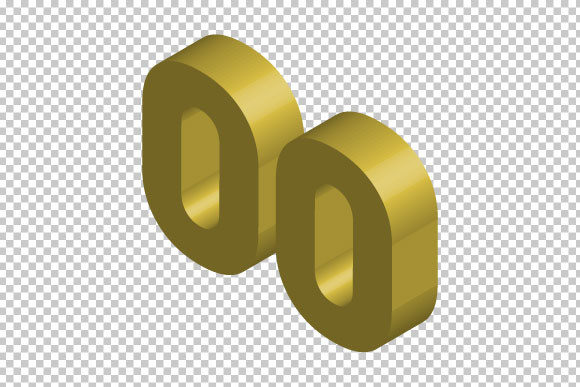
3D number design refers to the process of creating numerals that appear three-dimensional through the use of perspective, shading, extrusion, lighting, and material textures. Unlike flat typography, these numbers occupy virtual or physical depth. They can be rendered digitally for screens, fabricated as physical objects for signage or packaging, or integrated into animations and motion graphics. The design may involve isometric projections, beveled edges, metallic finishes, or soft gradients that simulate how light interacts with a solid form.
At its core, 3D number design is a subset of three-dimensional typography. It borrows principles from industrial design, sculpture, and computer graphics. The goal is often to make numbers more engaging, memorable, or authoritative, while still maintaining legibility. Because numbers are used for data, addresses, prices, and identifiers, any distortion caused by the third dimension can affect readability. Balancing aesthetic appeal with functional clarity is a central challenge in this field.
Why Consider 3D Number Design?
People turn to 3D number design for several practical reasons. First, dimensionality adds a tactile quality that flat typography lacks. In physical contexts—such as carved store numbers, embossed product labels, or die-cut event signage—the depth creates a premium feel. In digital environments, 3D numbers can make a landing page or mobile app icon stand out against simpler competitors.
Second, 3D number design supports brand differentiation. If your competitors use standard flat fonts, a custom 3D numeral set can signal innovation, craftsmanship, or boldness. For industries like automotive, construction, luxury goods, or gaming, dimensional numbers often align well with the brand personality. Third, 3D numbers can improve visual hierarchy when placed among other graphics. Their weight draws the eye, making them effective for call-to-action buttons, hero section year stamps, or key metrics in a presentation.
Fourth, advances in 3D software and rendering tools have lowered the barrier to entry. What once required specialized sculptors or expensive animation studios can now be achieved with desktop applications like Blender, Cinema 4D, or even 3D-capable vector editors. This accessibility means more teams can experiment with 3D number design without prohibitive costs.
Tradeoffs and Considerations
Despite its visual appeal, 3D number design comes with tradeoffs that can affect a project's success. The most significant is legibility. Adding shadows, extrusions, or intricate bevels can cause numbers to read poorly at small sizes, from a distance, or under unfavorable lighting. A digit '8' or '6' may lose its counter shape when too much depth is added, making it hard to distinguish from '0' or '5'. Always test your 3D numbers at intended display sizes before committing.
Another consideration is production complexity. Physical fabrication of 3D numbers—whether via CNC routing, 3D printing, injection molding, or metal casting—requires accurate digital files, material planning, and finishing processes. Costs rise with detail level and material quality. For digital usage, rendering times and file sizes can increase significantly compared to flat vector numbers. If you plan to use 3D numbers across multiple platforms, ensure the design is scalable and can be exported in formats suitable for web, print, and video without degradation.
Consistency is another tradeoff. A 3D number design that looks impressive in a rendered mockup may appear inconsistent when placed next to flat typography or other brand elements. You may need to develop a full set of digits, punctuation, and possibly letters if the numbers are part of a larger type system. Otherwise, the visual style can feel disjointed.
Style fatigue is also worth noting. Highly stylized 3D designs can date quickly. A metallic bevel effect that feels modern today might seem dated in three years. If longevity matters, consider a restrained approach—subtle depth, neutral materials, and clean shapes.
When 3D Number Design Is a Strong Fit
3D number design excels in contexts where impact and memorability rank higher than minimalism or rapid readability. Here are situations where it is often a strong choice:
- Physical signage and branding: Storefront address numbers, lobby reception badges, or exhibition booth labels benefit from physical depth. 3D number design in these settings feels solid and permanent, enhancing perceived value.
- Product packaging in premium segments: Perfume bottles, wine labels, luxury electronics, and limited-edition items often use 3D numbers to convey exclusivity. Foil stamping, embossing, or clear acrylic numbers with dimensional effects reinforce the product's quality.
- Motion graphics and video intros: Animated 3D numbers rotating into view or morphing between values add dynamism to explainer videos, countdowns, or data visualizations. The dimensionality creates a sense of depth that flat numbers cannot match.
- Themed environments and events: Trade shows, festivals, or themed retail spaces benefit from immersive design. 3D numbers incorporated into set pieces or interactive displays can strengthen the thematic experience.
- Gaming and user interface elements: In apps or websites targeting younger demographics or entertainment contexts, 3D number design can make scores, levels, or timers feel more playful and engaging.
When Alternatives May Be Better
While 3D number design offers distinct advantages, there are many scenarios where flat or two-dimensional number treatments may be more effective. Consider the following situations where alternatives are worth exploring:
- High-density data display: Spreadsheets, dashboards, scientific reports, or tables require numbers that are instantly readable. Three-dimensional effects add visual noise that slows scanning. Stick with clean, flat typography optimized for legibility.
- Minimalist or modern brand identities: Brands that prioritize clarity, openness, and simplicity—such as many tech startups, healthcare providers, and financial services—often avoid ornamental depth. Flat numbers support a cleaner aesthetic and work better across responsive web layouts.
- Small size applications: Mobile app icons, small buttons, or print with very small type (below 10pt) cannot afford the detail loss from 3D effects. At these sizes, even a minor extrusion can blur the numeral's shape.
- Rapid iteration or frequent updates: If you need to change numbers regularly (e.g., variable data printing, real-time scoreboards), 3D rendering introduces complexity and longer production times. Flat variable fonts are more practical.
- Accessibility and contrast requirements: Designing for users with visual impairments or low-light environments requires high contrast and clear shapes. 3D shadows can reduce contrast ratios, making numbers harder to read for certain audiences.
Practical Decision-Making Steps
To determine whether 3D number design aligns with your goals, follow a structured evaluation process. Start by clarifying the primary function of the numbers. Are they decorative, informational, or both? For purely informational roles, prioritize legibility and simplicity. If decorative impact is essential, then 3D treatment may be justified.
Next, consider the medium and scale. Will the numbers be viewed in print, on screen, or as physical objects? Large-scale outdoor signage can handle more depth than a small web button. Test a few prototype versions at actual size and in context. For physical fabrication, consult with manufacturers early to understand material constraints and cost thresholds.
Assess the longevity of the design. If the brand or product is expected to last more than a few years, choose a timeless 3D style—think clean extrusions with neutral materials rather than trendy chrome gradients. Also evaluate the full set of numerals needed: do you require consistent design for all ten digits, plus any special characters? Investing in a complete set is critical for cohesive application.
Finally, compare cost and effort. A custom 3D number design, whether digital or physical, often requires more time from skilled designers and possibly manufacturers. If your budget or timeline is tight, explore flat number treatments that achieve a similar emotional effect through color, weight, or typography choice instead of dimension. For example, a bold, heavy flat font can feel authoritative without the complexity of 3D.
Use a simple self-assessment: list your top three priorities for the numbers (e.g., legibility, impact, cost, scalability). Then rank how well 3D number design addresses each priority. If impact is number one and legibility can be sacrificed moderately, 3D may be the right path. If legibility and scalability dominate, alternatives are likely more suitable.
Conclusion
3D number design is a versatile tool that can elevate visual communication when applied thoughtfully. It offers dimensionality, memorability, and a sense of substance that flat typography cannot replicate. Yet it also presents challenges in legibility, production costs, and longevity. By evaluating your specific context—audience, medium, function, brand identity—you can decide whether 3D number design serves your project or whether a simpler alternative yields better results. The key is to view 3D numbers as one option within a broader typographic toolkit, not as a default solution. With careful testing and honest assessment of tradeoffs, you can make a choice that balances visual ambition with practical performance.