Butterfly Papercut 3D Design: Evaluating the Art, Its Alternatives, and What Fits Your Project
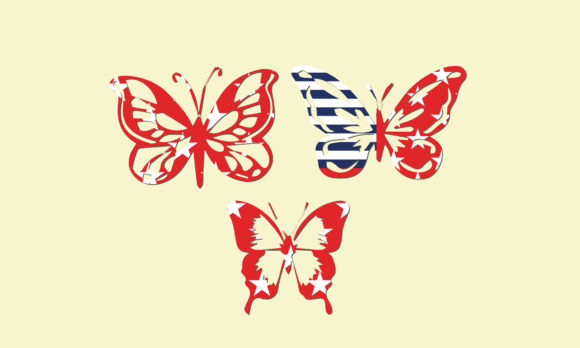
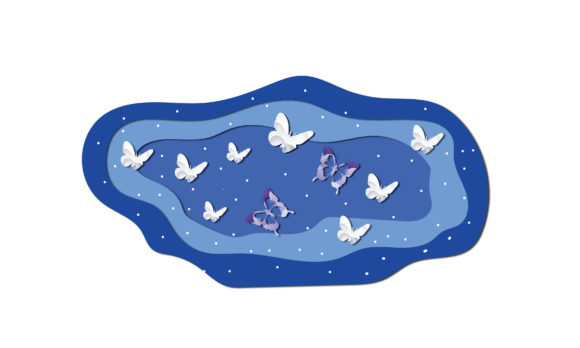
Butterfly papercut 3D design is a distinctive craft that transforms a flat sheet of paper into a layered, dimensional representation of a butterfly. Unlike a simple silhouette or a printed image, this technique involves cutting multiple paper layers—often by hand or with a die-cutting machine—and stacking them with spacers to create depth. The result is a piece that casts subtle shadows and shifts appearance as light or viewing angle changes. For anyone researching paper art, wall decor, or personalized gifts, understanding where this approach fits alongside other options is essential.
What Butterfly Papercut 3D Design Really Is
At its core, butterfly papercut 3D design is a form of layered papercraft. Each layer typically represents a different part of the butterfly: the wings, body, antennae, and sometimes background elements like flowers or leaves. The layers are cut from paper of varying colors or textures, then assembled using foam adhesive or small spacers to lift each level above the previous one. The number of layers can range from three to eight or more, depending on the complexity and desired depth.
What makes this approach distinct is the combination of precision cutting and spatial arrangement. The design must account not only for the visual composition but also for how each layer aligns with the others. A misplaced cut or misaligned wing can break the illusion of a three-dimensional butterfly. The craft therefore demands careful planning, steady hands, and a willingness to iterate on the layout before committing to final cuts.
Another defining feature is the play of light and shadow. Because the layers stand apart from one another, the piece changes character depending on how it is lit. Under direct light, the shadows deepen and the butterfly appears to lift off the background. In softer ambient light, the design reads as more subtle and integrated. This dynamic quality is a large part of why many creators choose this format over flat alternatives.
How Butterfly Papercut 3D Design Compares with Similar Options
When exploring paper-based butterfly art, you will encounter several related approaches. Each has its own strengths, and the right choice depends on your project goals, skill level, and available tools.
Flat papercut designs
Traditional flat papercut art involves cutting a single layer of paper into an intricate pattern. The butterfly is depicted entirely within that one sheet, with negative space defining the wings and body. This approach is simpler and faster to produce, and it requires less material. However, it lacks the depth and dimensionality that many people seek when they envision a butterfly in flight. If you value speed, minimalism, or a clean graphic look, flat papercut may suit you better. If you want the butterfly to feel alive and floating, the 3D layered method offers a more immersive result.
Paper quilling or filigree butterflies
Paper quilling uses rolled and shaped strips of paper to form intricate coils and scrolls. A quilled butterfly can be highly detailed and has a sculptural quality, but it tends to be more fragile and time-intensive. The texture is quite different from papercut 3D design, with a coiled, dimensional look that some find more ornamental. Quilling allows for very fine detail in the wings, but the overall structure is less rigid. For projects that emphasize texture and intricate scrollwork, quilling is a strong alternative. For cleaner geometric shapes and deeper layering, butterfly papercut 3D design is usually the better fit.
Layered paper art using digital cutting machines
Many creators now use machines like Cricut or Silhouette to cut their butterfly papercut 3D design layers. This approach dramatically reduces the time and skill required for precise cuts, and it allows for very complex patterns that would be difficult to replicate by hand. The tradeoff is a higher upfront equipment cost and a less handcrafted feel. Machine-cut pieces can look very polished and uniform, which may be desirable for commercial products or mass production. For one-of-a-kind artisan pieces, hand-cut designs often carry more personality and value.
3D printed butterfly models
Another alternative is 3D printing a butterfly using plastic filament or resin. This yields a fully three-dimensional object, not just a layered illusion. Printed butterflies can be posed with articulated wings or mounted on stands, offering a more interactive experience. However, the material and texture are different from paper. If you want a durable, tactile object that can be handled, 3D printing may be a better choice. If you prefer the warmth, lightness, and decorative versatility of paper, butterfly papercut 3D design remains a more fitting option.
Strengths and Tradeoffs of the Layered Papercut Approach
Understanding the strengths and limitations of butterfly papercut 3D design helps you evaluate whether it aligns with your specific needs.
Strengths
- Visual impact: The layered depth creates a sense of motion and realism that flat designs cannot match. A well-made piece can appear to hover off the wall.
- Customizable: You can choose paper colors, textures, and layer orders to match any décor or personal taste. Metallic, pearlescent, or handmade papers all work well.
- Relatively low material cost: Paper, adhesive spacers, and a frame are inexpensive. The investment is mostly in time and skill development.
- Lightweight and easy to ship or frame: Unlike heavier art forms, papercut pieces are easy to transport and display.
Tradeoffs
- Time commitment: Creating a multi-layer butterfly by hand can take several hours to days, depending on complexity. Machine cutting reduces this but still requires design work and assembly.
- Durability concerns: Paper is susceptible to tearing, fading, and moisture damage. Proper framing behind glass is often necessary to preserve the piece long-term.
- Learning curve: Achieving clean cuts and precise alignment requires practice. Beginners may frustrate easily if they expect perfect results on the first attempt.
- Limited physical depth: Even with multiple layers, the actual depth is usually less than an inch. For projects needing true three-dimensional form, other methods may be more appropriate.
When Butterfly Papercut 3D Design Is the Right Choice
This approach works best in several clear scenarios. If you are creating wall art for a home or office, the layered butterfly becomes a focal point that draws the eye without overwhelming the space. It works well in shadow boxes or deep frames that accentuate the depth.
For gift-giving, a custom butterfly papercut 3D design carries a personal, handmade feel that many recipients value. You can tailor the colors to the recipient's preferences or incorporate meaningful elements like birth flowers or favorite patterns.
In educational or therapeutic settings, the process of cutting and assembling layers can be a rewarding activity that builds fine motor skills and patience. Many hobbyists find the repetitive cutting meditative and the final reveal deeply satisfying.
If you work with a digital cutting machine, you can scale production more easily, making butterfly papercut 3D design viable for small businesses or craft fairs. The repeatability of digital files ensures consistency across multiple pieces.
When You May Need Another Option
Despite its appeal, butterfly papercut 3D design is not the universal answer. If you need durable art for outdoor display or high-traffic areas, paper will not hold up. Metal, acrylic, or laser-cut wood butterflies would be more practical.
If your goal is extremely fine detail or miniature scale, papercutting has practical limits. Very thin lines or tiny cutouts become fragile and prone to tearing. In those cases, precision laser cutting in acrylic or metal may deliver the intricacy you need.
For those seeking interactive or kinetic art—such as a butterfly with moving wings or a mobile that spins—papercut 3D design is too static. You would be better served by 3D printed mechanisms or wire-and-fabric sculptures.
Finally, if you have limited time or manual dexterity challenges, hand-cutting multiple layers may be impractical. A flat papercut or a purchased digital template with machine cutting could still give you a beautiful result with less frustration.
Decision Factors to Help You Choose
When deciding whether butterfly papercut 3D design is the right path, consider these factors:
- Your skill level and time budget. Beginners should start with two or three layers and simple wing shapes. More experienced crafters can tackle complex multi-layer designs.
- The intended use and environment. Framed wall art is ideal. Greeting cards or bookmarks can also work but need smaller, simpler designs.
- Available tools. If you own a cutting machine, the barrier to entry is lower. If you work by hand, invest in a good craft knife and cutting mat.
- Desired aesthetic. Clean, modern, and geometric? Go with fewer layers and strong contrast. Romantic, vintage, or whimsical? Use more layers, softer colors, and decorative paper textures.
- Budget for materials and framing. Good quality paper, adhesive spacers, and a proper frame add up. If budget is tight, a flat print or single-layer cut may suffice.
Practical Examples of Butterfly Papercut 3D Design in Practice
Example 1: A craftsperson creates a four-layer monarch butterfly using orange, black, and white cardstock. The wings are cut with subtle scalloped edges, and the body is raised slightly higher than the wings. The piece is mounted in a deep shadow box with a soft cream background. The result is a striking wall accent that complements a nature-themed living room.
Example 2: A small business owner uses a digital cutting machine to produce batches of butterfly papercut 3D designs in custom color combinations. Each butterfly uses five layers, and the files are saved for repeat orders. The pieces are sold at local markets and on an online shop as customizable wall art. The repeatability of machine cutting keeps production consistent while still offering a handmade look.
Example 3: A beginner attempts a two-layer butterfly using only a craft knife and a printed template. The first attempt results in uneven cuts and misaligned layers. After adjusting the blade pressure and using a lighter touch, the second iteration turns out clean and satisfying. The creator learns that patience and practice matter more than expensive tools.
Making Your Own Informed Decision
Butterfly papercut 3D design is a rewarding craft that blends precision, creativity, and spatial thinking. It offers a unique visual effect that flat designs cannot achieve, and it can be tailored to nearly any aesthetic or skill level. At the same time, it demands a meaningful time investment and a tolerance for iterative trial and error. By weighing the strengths and tradeoffs against your own project requirements, available tools, and desired outcome, you can decide whether layered papercut butterflies are the right creative outlet for you. For some, the process itself becomes the reward. For others, the final framed piece is the goal. Both are valid, and understanding the full picture helps you move forward with confidence.