Overlapping Liquid Spill 3D Design
When you first encounter an overlapping liquid spill 3D design, it might look like a playful digital accident—colors bleeding into each other, shapes folding like ripples caught mid-motion. But behind that fluid appearance lies a deliberate design technique that blends depth, motion, and transparency into a single visual statement. Whether you are creating a brand identity, building a website, or developing marketing materials, understanding this approach can open up new ways to capture attention and communicate ideas.
What makes overlapping liquid spill 3D design different
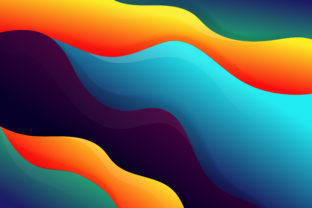
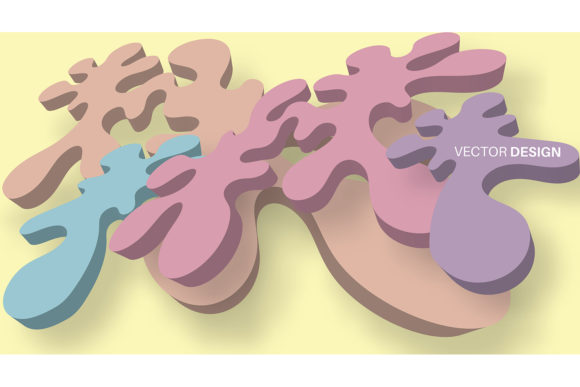
At its core, this design style uses layered, semi-transparent 3D forms that appear to spill or flow over one another. Unlike flat gradients or static overlays, the shapes carry volume and respond to light, creating a sense of physical presence. The overlapping nature adds complexity without clutter—each layer retains its identity while contributing to a unified composition. This technique draws on principles of fluid dynamics, lighting, and material rendering to produce visuals that feel both organic and intentional.
For professionals working in digital media, this style offers a way to break free from rigid geometric layouts. Instead of boxes and straight lines, you get curves, splashes, and merging forms that suggest movement and transformation. The result is a visual language that feels contemporary and immersive.
How this design approach supports creative work
One of the most practical benefits of overlapping liquid spill 3D design is its ability to add depth to otherwise flat projects. If you have ever struggled to make a landing page feel dynamic or a presentation slide look memorable, introducing layered liquid elements can shift the viewer’s experience. The transparency and overlap create natural focal points, guiding the eye without needing extra arrows or text labels.
Consider a product showcase for a skincare brand. A static image of a bottle might not convey the texture or feel of the product. But placing that bottle inside a soft, overlapping liquid spill 3D design—with translucent waves curling around it—immediately suggests moisture, lightness, and gentle movement. The design does the emotional work before a single word is read.
For UI designers, this technique can soften interfaces that feel too rigid. Used sparingly, overlapping liquid shapes can accent buttons, frame content sections, or animate transitions. The key is balance: the fluid elements support the user experience rather than overwhelm it.
Who benefits most from using this visual style
Digital artists and illustrators naturally gravitate toward overlapping liquid spill 3D design because it allows for expressive, non-linear compositions. But the audience extends far beyond creatives. Marketers and brand strategists find value in the style’s ability to signal innovation and fluidity—qualities that resonate with modern consumers. A tech startup, for instance, might use liquid spill visuals in their pitch deck to imply adaptability and seamless integration.
Educators and content creators also gain from this approach. When explaining abstract concepts like data flow, chemical reactions, or organizational change, a static diagram can fall short. An overlapping liquid spill 3D visualization can illustrate how elements merge, separate, or transform in a way that feels intuitive. The visual metaphor of liquid overlapping mirrors processes that are continuous and interconnected.
Small business owners and freelancers who manage their own branding can use this style to stand out without needing a full design team. Pre-made 3D assets and templates now include liquid spill elements that can be customized with brand colors and logos. This lowers the barrier to entry while still producing professional-looking results.
Practical benefits for communication and clarity
Beyond aesthetics, overlapping liquid spill 3D design serves a functional role in communication. When you layer translucent shapes, you create visual hierarchy through overlap and opacity. The most prominent element appears in front, while supporting layers sit behind, creating depth without requiring explicit labels. This is especially useful in infographics, presentations, and educational materials where you want to show relationships between ideas.
For example, a nonprofit explaining how donations flow through different programs could use overlapping liquid shapes to represent each program. The transparent layers show that contributions are not siloed—they blend and support multiple initiatives. The design itself reinforces the message of interconnected impact.
In marketing, this technique can simplify complex product offerings. A software company with multiple features might use liquid spill layers to show how each feature overlaps and integrates, rather than listing features in bullet points. The visual tells a story of cohesion and cooperation.
Efficiency gains in production and iteration
Once you become familiar with overlapping liquid spill 3D design, you may find that it speeds up certain parts of your workflow. Because the shapes are built from procedural or semi-procedural methods in 3D software, you can adjust colors, lighting, and overlap amounts quickly. This makes iteration faster compared to manually painting complex gradients or shadows.
For teams working on branding guidelines, a single liquid spill composition can be rendered in multiple colorways and used across social media, web headers, and print materials. The style scales well because the 3D assets maintain their integrity at different sizes and resolutions. This consistency saves time during campaign rollouts and reduces the need for redesigns.
Animators also benefit. Overlapping liquid spill 3D design lends itself naturally to motion—ripples can pulse, drops can merge, and layers can shift slowly. A short animated loop created from these elements can serve as a background video, a loading screen, or an email header without requiring complex rigging or keyframes.
Limitations and fit considerations
No design approach works for every context, and overlapping liquid spill 3D design has its limitations. In highly formal or conservative industries—such as legal services, government communications, or traditional finance—this style may feel out of place. The fluid, organic shapes can conflict with the need for structure and authority. In those cases, subtle use might still be possible, but a minimalist or grid-based approach may serve better.
Another consideration is technical overhead. Generating high-quality 3D liquid spills requires software like Blender, Cinema 4D, or Houdini, along with some understanding of lighting and rendering. For those new to 3D, the learning curve can be steep. However, asset libraries and online tutorials have made it more accessible, and many stock platforms now offer ready-to-use liquid spill 3D designs that can be dropped into projects.
Finally, be mindful of performance. Complex 3D renderings may slow down websites or apps if not optimized. For digital use, consider using compressed images, video loops, or lightweight SVG alternatives that mimic the liquid spill effect without the full 3D load.
Getting started with overlapping liquid spill 3D design
If you are curious about integrating this style into your work, start by observing how liquid forms behave in nature—how water pools, drips, and spreads. Translate those observations into simple 3D shapes using a tool you are comfortable with. Begin with two or three overlapping forms in complementary colors, and experiment with transparency and lighting angles.
For those who prefer to avoid the technical setup, several design platforms now include liquid spill effects as filters or presets. You can apply these to text, logos, or backgrounds and adjust intensity and color. This gives you a taste of the style without committing to full 3D modeling.
As you experiment, keep your audience and message in mind. Overlapping liquid spill 3D design works best when it amplifies meaning—when the fluidity of the visuals matches the fluidity of the idea. Whether you use it to suggest adaptation, connection, or transformation, let the design serve the content, not the other way around.
Why this design language is worth exploring
Overlapping liquid spill 3D design is not merely a trend. It reflects a broader shift toward visual storytelling that feels human and organic. In a world saturated with flat icons and rigid layouts, a touch of fluid depth can reset the viewer’s attention and create a moment of visual relief. For professionals across disciplines, mastering or even just understanding this technique adds a versatile tool to your creative toolkit. It helps you solve problems that static design cannot—like showing progression, blending ideas, or conveying softness and movement. And in an environment where first impressions happen in seconds, that can make a meaningful difference.