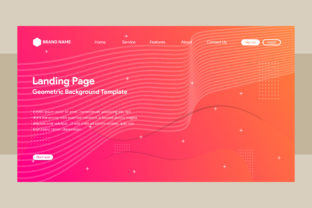
The Allure of a Pink Orange Gradient Landing Page in Modern Design
Few visual choices capture attention as immediately as a well-executed gradient. Among the most striking combinations in contemporary web design is the pink orange gradient. When applied to a landing page, this warm, luminous blend does far more than decorate the background. It sets a mood, guides the eye, and communicates brand energy without a single word. As designers and marketers search for ways to stand out in a crowded digital landscape, the pink orange gradient landing page has emerged as a powerful tool for engagement and conversion.
Unlike flat color blocks that can feel static, a gradient introduces depth and movement. The transition from pink to orange feels organic, like a sunrise or a fading bloom. This natural quality makes it easy for visitors to connect emotionally. For a landing page — the first impression for many users — that emotional hook is invaluable.
Why Gradients Are Making a Comeback
Gradients never truly disappeared, but they spent years in the shadow of flat design. The post-2015 resurgence, led by brands like Instagram and Spotify, reminded the industry that color transitions add a layer of richness that solid colors sometimes lack. Modern gradients are used with more intention. They are not noisy or distracting when handled correctly. Instead, they serve as a subtle backdrop that unifies the page's content.
The pink orange gradient landing page fits perfectly into this revival. It offers a middle ground between the stark minimalism of flat design and the heavy textures of earlier web trends. Today, CSS tools like linear-gradient and radial-gradient make implementation straightforward. Designers can control direction, opacity, and color stops with precision, allowing for infinite variations of warmth and intensity.
The Psychology Behind Pink and Orange
Color choice on a landing page is never arbitrary. Pink and orange each carry distinct psychological associations. Pink often evokes playfulness, compassion, and a sense of calm. It is approachable without being passive. Orange, by contrast, is energetic, enthusiastic, and confident. It signals action and creativity. Combined, the pink orange gradient landing page becomes a visual metaphor for optimism in motion.
This pairing works especially well for brands targeting creative professionals, wellness audiences, or younger demographics. The gradient softens the intensity of pure orange while adding a spark to pink. The result is a palette that feels both modern and welcoming. Users report feeling more inclined to explore further when greeted by warm gradients, as opposed to cold blues or harsh reds.
Combining Hues for Maximum Impact
The key to a successful pink orange gradient lies in the specific shades selected. A neon pink next to a vibrant tangerine creates an electric, high-energy vibe suitable for a music festival website or a new app launch. Pastel versions — think coral and peach — offer a softer, more elegant feel for e-commerce or service-based landing pages. The gradient direction also matters. Left to right transitions feel natural, while diagonal or radial gradients can draw the eye to a central call-to-action button.
Many designers achieve the best results by using a slight overlay of a third color, such as a pale yellow or a deep magenta, at the gradient's midpoint. This adds complexity without muddying the transition. The top-performing pink orange gradient landing pages often test these variations to see which resonates most with their audience.
Practical Benefits for Conversion-Driven Landing Pages
A landing page exists to convert. Whether that means capturing an email, completing a purchase, or starting a free trial, every element must support that goal. The pink orange gradient landing page contributes to conversion in several concrete ways:
- Attention capture: Warm gradients stand out against the sea of white and blue pages users encounter daily. Eye-tracking studies show that high-contrast, warm backgrounds draw initial focus faster.
- Emotional priming: The gradient creates a feeling of optimism and friendliness. Users in a positive emotional state are more likely to trust the brand and follow through on calls to action.
- Brand personality: In a digital marketplace built on trust, a distinctive color scheme helps users remember a brand. A pink orange gradient becomes part of the identity, not just a decorative afterthought.
- Visual hierarchy: When the background gently transitions, it allows foreground elements — headlines, images, buttons — to pop without harsh lines. The eye moves naturally from the brightest area (often where the gradient peaks) to the primary content.
Designing Your Own Pink Orange Gradient Landing Page
Creating an effective gradient landing page requires attention to detail beyond just picking two colors. Here are practical steps and considerations for designers and marketers:
Choosing the Right Hues
Start with a clear brand color if you have one. If not, think about the emotion you want to convey. For excitement, lean toward a hot pink and deep orange. For serenity, choose a dusty rose and light peach. Tools like Coolors or Adobe Color allow you to test gradient pairs quickly.
Balancing Readability and Contrast
The greatest risk with any vibrant background is that text becomes hard to read. On a pink orange gradient landing page, always test your typography. White text often works well, but it can disappear against lighter portions of the gradient. Solutions include adding a dark overlay, using a subtle text shadow, or placing content inside color-blocked sections. Many designers opt to keep the gradient in a header or hero section and transition to a solid color or white below the fold. This maintains the visual interest without sacrificing readability across the entire page.
Gradient for Call-to-Action Buttons
Perhaps the most strategic use of the pink orange gradient is within the CTA button itself. A button that echoes the background gradient but with reversed colors or a brighter intensity can create a cohesive yet prominent call to action. For instance, a pink-to-orange background behind the button draws immediate attention. Alternatively, a white button on the gradient works as a high-contrast element. Testing both approaches A/B often reveals which yields higher click-through rates.
Common Use Cases and Examples
The versatility of a pink orange gradient landing page makes it suitable for a wide range of industries and purposes:
- Creative portfolios: Photographers, illustrators, and graphic designers use this gradient to convey artistry and energy without overwhelming their work. The gradient becomes a neutral enough backdrop that foreground artwork remains the star.
- SaaS and tech startups: Many software companies targeting younger, lifestyle-oriented audiences adopt this palette. It signals innovation and friendliness, countering the stereotype of cold corporate tech.
- E-commerce for fashion or beauty: Pink and orange evoke warmth and playfulness, making them ideal for product launches, seasonal sales, or subscription boxes. The gradient adds a premium feel without the expense of photography-heavy backgrounds.
- Health and wellness: Softer versions of the gradient (peach and blush) can create a nurturing atmosphere for landing pages promoting meditation apps, yoga retreats, or organic products.
- Event and webinar registration: The energetic nature of the gradient encourages action. Registration buttons placed against a pink orange background often see higher engagement rates.
One example is a popular online course platform that switched from a blue gradient to a pink orange gradient landing page and reported a 12% lift in free trial sign-ups. The feedback from users highlighted the page felt more inviting and less like a sales pitch.
Considerations for Accessibility and Performance
No design trend should come at the cost of accessibility. A pink orange gradient landing page must still meet Web Content Accessibility Guidelines (WCAG). When choosing your gradient colors, check contrast ratios between text and background. For large text (18pt or larger), a ratio of 3:1 is acceptable; for smaller text, aim for 4.5:1. Online contrast checkers can evaluate gradients by testing the darkest and lightest points.
Performance is another factor. Gradients generated with CSS are lightweight and do not add image load times. However, be careful when using gradient images instead of pure CSS. Large background images with gradients can slow page load, hurting both user experience and SEO. The best pink orange gradient landing pages use CSS background-image: linear-gradient(...) to keep code lean. For older browsers that don't support gradients, always include a fallback background color.
Testing Across Devices
Gradients can look different on various screens due to color gamut and brightness settings. What appears as a soft coral on a calibrated monitor might turn muddy on an average laptop screen. Always test your pink orange gradient landing page on a range of devices, including mobile. Mobile use is critical since landing pages are often the first touchpoint after a social media ad or search result.
Integrating with Modern Tools and Workflows
Today's designers and developers have robust tools for implementing gradients. Figma and Sketch allow real-time gradient editing. For web developers, CSS preprocessors like Sass enable gradient mixins that maintain consistency across a site. No-code builders like Webflow, Squarespace, or Framer have gradient background options baked in. Even email marketing platforms now support gradient backgrounds in landing page builders. This accessibility means that even small teams without dedicated developers can launch a professional-looking pink orange gradient landing page quickly.
From a workflow perspective, it is wise to build a gradient that adapts to different screen widths. Using relative units and responsive design ensures the gradient scales gracefully. Some designers set the gradient angle to move diagonally to create a more dynamic balance, while others prefer a top-to-bottom sunset effect. Testing multiple iterations and gathering user feedback helps refine the choice.
Ultimately, the pink orange gradient landing page is more than a temporary aesthetic. It is a strategic design choice that leverages color psychology, modern css capabilities, and user behavior research. When executed with attention to contrast, performance, and brand alignment, it becomes a legitimate asset for any digital campaign. Whether you are launching a new product, building a portfolio, or optimizing a sales funnel, this gradient combination offers a way to stand out while remaining approachable. The warmth it brings to the screen can turn a fleeting visit into a meaningful interaction.