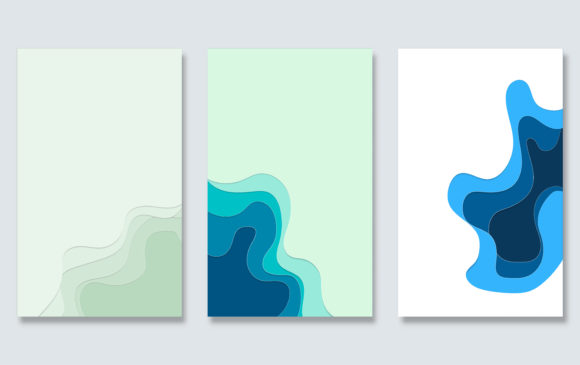
The Art of Depth: Understanding Abstract Paper Cut Background Design
In an era dominated by digital rendering and hyper-realistic visuals, a tactile, handcrafted aesthetic has carved out a significant niche in contemporary design. The Abstract Paper Cut Background stands as a compelling example of how traditional craft techniques can be reimagined for modern communication. This style, which simulates the layering of cut paper to create depth, shadow, and texture, has moved far beyond its physical origins to become a versatile tool in branding, web design, and visual storytelling. Understanding its mechanics and applications reveals why this approach resonates so deeply with audiences seeking authenticity and visual intrigue.
The Foundational Mechanics of Paper Cut Aesthetics
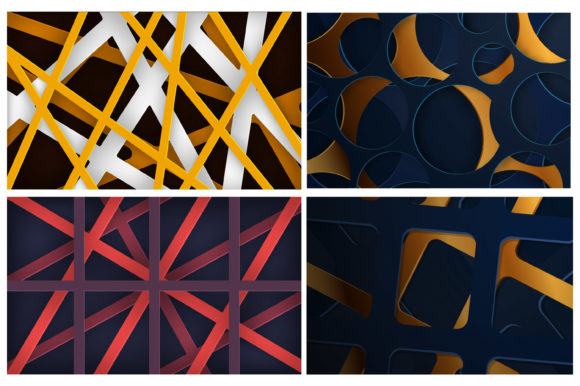
At its core, an abstract paper cut background relies on the illusion of stacked, cut-out sheets. Unlike flat vector graphics, this style introduces a third dimension through careful manipulation of shadow, highlight, and overlapping forms. The visual effect mimics the physical act of cutting paper with a scalpel or die-cutting machine, preserving the slight irregularities and organic edges that make handmade work distinctive.
Key characteristics include:
- Layered composition: Multiple planes of color and shape sit atop one another, creating a clear foreground, midground, and background hierarchy.
- Drop shadows and cast shadows: Soft or sharp shadows separate layers, simulating the physical gap between sheets of paper. The angle and intensity of these shadows determine the perceived depth.
- Tactile texture: Subtle grain, fiber patterns, or slight edge imperfections are often added to replicate the surface of real paper stock.
- Negative space utilization: The gaps between cut-out shapes become as important as the shapes themselves, often forming secondary compositions or revealing underlying layers.
When executed digitally, these elements are typically built using a combination of vector shapes, gradient overlays, and layer styles. The result is a visual language that feels both familiar and surprising—familiar because everyone has handled paper, and surprising because the compositions often take abstract, non-representational forms.
Why Abstract Paper Cut Backgrounds Capture Attention
The appeal of this aesthetic is rooted in cognitive and emotional responses. In a screen-dominated world, imagery that evokes physical touch triggers a sense of tangibility. The Abstract Paper Cut Background leverages what designers call "material authenticity"—the impression that a real human hand created the work. This perceived craftsmanship builds trust and approachability, qualities that are particularly valuable for brands and educators trying to connect with skeptical or overwhelmed audiences.
Furthermore, the layering inherent in paper cut designs naturally guides the viewer's eye. The depth creates a visual hierarchy that can prioritize key information, such as a headline or a call-to-action button, without relying on aggressive color contrasts or oversized typography. The shadows act as subtle wayfinding cues, making the composition feel organized and intentional.
From a psychological perspective, the slight irregularities and textured surfaces of paper cut backgrounds reduce the "sterile" feeling often associated with purely digital interfaces. This warmth can lower cognitive load, making content feel more inviting and less daunting—a critical advantage for educators and content creators aiming for retention.
Practical Use Cases Across Professional Domains
The versatility of abstract paper cut backgrounds means they appear across a surprisingly wide range of fields. Each domain adapts the core technique to serve its specific communication goals.
Branding and Identity: Startups and boutique agencies frequently use paper cut aesthetics to signal creativity and human-centered values. A logo or brand kit built with layered paper elements suggests meticulous attention to detail and a willingness to stand apart from corporate minimalism. The style works particularly well for businesses in the arts, education, wellness, and sustainable products sectors.
Web and App Design: As a background treatment, paper cut layers add depth to hero sections, landing pages, and onboarding screens. They can frame content without overwhelming it, especially when muted color palettes and soft shadow settings are employed. For example, a wellness app might use a gentle abstract paper cut background of overlapping organic shapes to evoke calm and natural balance, while a creative portfolio site might use bolder cuts and brighter colors to convey energy and innovation.
Educational and Instructional Materials: Educators and researchers have found that the tangible quality of paper cut visuals aids comprehension. Diagrams that use layered cut-out representations can illustrate relationships between concepts—showing how one idea builds upon another—more intuitively than flat charts. An abstract paper cut background in a presentation or infographic can signal a shift in topic depth, with deeper layers representing more foundational knowledge.
Social Media and Content Marketing: In feeds crowded with polished photography and generic illustrations, a handcrafted paper cut style stands out. Content creators use it for quote cards, announcements, and series graphics. The visual consistency of a recurring abstract paper cut background helps build brand recognition while conveying a handmade, thoughtful ethos.
Technical Considerations for Digital Implementation
Creating a convincing abstract paper cut background digitally requires attention to several technical factors that distinguish a polished result from a flat imitation.
Lighting consistency: All shadows within the composition must cast from the same light source. A light source from the upper left, for example, means every layer's shadow should fall to the lower right. Inconsistent lighting breaks the illusion of physical depth.
Shadow quality: The distance between layers determines shadow blur. Close layers cast tight, sharp shadows; distant layers cast softer, wider shadows. Mimicking this real-world behavior is essential for realism, even in abstract compositions.
Paper texture integration: Applying a subtle noise filter or a paper texture overlay to the entire composition—or to individual layers—adds authenticity. However, the texture must be light enough not to distract from content. The goal is subliminal tactility, not visual noise.
Color strategy: Abstract paper cut backgrounds often use analogous or complementary color schemes that feel natural but not overly saturated. Bright neons can work, but they risk breaking the paper illusion. Muted tones, especially with slight variations in saturation across layers, reinforce the material feel.
Accessibility: Because paper cut backgrounds rely on depth and shadow, contrast ratios must be checked carefully. Text placed on a paper cut background should always pass WCAG guidelines. Avoid placing critical text over areas with high shadow density or busy overlapping shapes.
Tools and Workflows for Creators
Both designers and hobbyists can produce abstract paper cut backgrounds using a variety of tools, each offering different levels of control and automation.
Adobe Illustrator and Photoshop remain the industry standards for manual construction. In Illustrator, designers build individual shapes, apply offset paths, and add drop shadows through the Appearance panel. Photoshop allows for more complex shadow manipulation using layer styles and blending modes, as well as the addition of paper texture overlays.
For those seeking a faster workflow, dedicated software like Procreate on iPad offers brush sets specifically designed to mimic paper cut edges and shadows. Many creators sketch their layer compositions by hand first, then refine them digitally. This hybrid approach preserves the organic feel while enabling precise color and shadow control.
Canva and similar beginner-friendly platforms now include pre-made abstract paper cut background templates. While these lack the custom depth of handcrafted versions, they provide a quick entry point for small business owners and social media managers who need professional-looking visuals without advanced design skills.
Affinity Designer provides a cost-effective alternative with robust layer effects that rival Adobe's ecosystem. Its live shadow preview and vector editing capabilities make it suitable for both print and digital applications.
Advantages and Limitations of the Aesthetic
Like any design approach, abstract paper cut backgrounds come with distinct strengths and trade-offs that professionals should weigh carefully.
Advantages:
- High visual distinctiveness in a landscape of flat and minimalist design trends.
- Inherent ability to create visual hierarchy without extra elements.
- Psychological warmth and approachability that humanizes digital interfaces.
- Scalability across media—works equally well in print, web, and video.
- Timeless quality rooted in craft, reducing the risk of looking dated quickly.
Limitations:
- Can feel overly busy or cluttered if too many layers are used without restraint.
- Rendering shadows and textures may increase file size and load times on websites.
- Accessibility challenges require careful testing, especially with overlapped text.
- Overuse in certain industries may dilute the uniqueness of the style.
- Creating a truly convincing version takes more time and skill than flat alternatives.
Evolving Trends and Future Directions
The abstract paper cut background is not static. Recent trends show designers pushing the technique in new directions, blending it with other styles for hybrid outcomes. One emerging approach combines paper cut layers with subtle animation—parallax scrolling effects that shift layers at different speeds, or hover states that adjust shadow depth. This adds a dynamic, interactive quality while preserving the handcrafted foundation.
Another trend involves incorporating translucent or vellum-like layers, where overlapping shapes create color blends rather than opaque separations. This softens the starkness of traditional paper cuts and introduces a more ethereal, dreamlike quality. Designers are also experimenting with irregular, torn edges instead of clean cuts, adding an even stronger handmade feel.
For educators and researchers, the technique is being explored as a tool for data visualization. Layered paper cut graphs and diagrams can represent multi-dimensional datasets in a way that feels less abstract than standard charts. The physical metaphor of "layers of information" becomes literal, aiding comprehension for learners who struggle with traditional statistical representations.
From a business perspective, the movement toward sustainable and ethical branding aligns perfectly with the paper cut aesthetic's emphasis on craft and authenticity. As consumers increasingly value transparency and human touch, visual styles that communicate these values will remain relevant. The abstract paper cut background, with its clear nod to manual creation, fits naturally into this broader cultural shift.
Considerations for Different User Groups
Each audience that engages with abstract paper cut backgrounds has unique priorities that shape how the technique should be applied.
Business owners should consider how the style reflects their brand personality. A law firm or financial institution may find paper cut aesthetics too casual, while a children's education company or artisan bakery can use it to reinforce warmth and creativity. Testing the background with target customer groups before full implementation is advisable.
Designers and creators need to balance artistic freedom with functional requirements. A beautiful paper cut background that slows page load or obscures navigation is counterproductive. Performance optimization—such as compressing shadow layers and using CSS for simple shadows instead of heavy image files—should be part of the workflow.
Educators and researchers can leverage the layering concept to build explanatory visuals that show progression, hierarchy, or causality. A paper cut diagram of a scientific process, for instance, can peel back layers to reveal deeper mechanisms. The key is ensuring that every layer adds clarity, not decoration.
Hobbyists exploring paper cut backgrounds for personal projects benefit from starting simple: two or three contrasting shapes with consistent shadows. Online communities and tutorials abound for those wanting to move from basic compositions to more intricate, multi-layered works. The tactile satisfaction of creating depth from flat shapes is one of the most rewarding aspects of the craft.
Ultimately, the Abstract Paper Cut Background endures because it bridges the gap between digital efficiency and human artistry. It reminds viewers that behind every screen, there is a creator making deliberate choices about texture, light, and form. Whether used to build a brand, explain a concept, or simply delight the eye, this approach offers a depth that goes far beyond the visual—it carries the imprint of care.