Best Price and Sale Labels for Promotions
Walk into any store or scroll through an online shop, and you will see them: bright red tags reading "Sale," bold banners shouting "Best Price," and stickers that promise a deal. These labels are among the most common visual tools in retail and e-commerce. But they are more than just decoration. A well-placed sale label can influence a decision, shape a perception, and even build trust. Whether you are running a boutique, managing a blog, or simply shopping for a bargain, understanding how these labels work helps you use them better or evaluate them more critically.
What Best Price and Sale Labels Actually Do
At their core, these labels signal value. A "Sale" label tells a potential buyer that an item costs less than usual. A "Best Price" label often suggests that the seller has priced the item competitively, sometimes with a guarantee that you will not find it cheaper elsewhere. For businesses, these labels serve as attention-grabbing elements that break up visual clutter and guide the eye toward promoted items. For shoppers, they act as shortcuts that reduce the mental effort of comparing prices. But not every audience interprets them the same way, and not every situation calls for the same label style.
Why Small Business Owners Rely on These Labels
If you run a small shop or an online store, your marketing budget may be limited. Sale labels give you a low-cost way to highlight clearance items, seasonal discounts, or new product launches. A simple "Best Price" tag on your best-selling item can create urgency and differentiate your offer from bigger competitors. Many small business owners find that printed labels for physical products work well, while digital banners suit social media posts or email newsletters. The key is consistency. If you label one product as "Best Price," customers will expect similar honesty across your inventory. Mismatched or exaggerated labels can erode trust quickly.
For example, a handmade candle seller might use a "Sale" sticker on last season's scents during a spring clearance. That same seller could use "Best Price" on a bundle set to communicate value without discounting individual items. This approach protects margins while still appealing to deal-seeking shoppers.
How Marketers and E-Commerce Professionals Evaluate Labels
For those managing larger product catalogs, sale labels are part of a broader strategy. Marketers often A/B test different label designs to see which drives more clicks or conversions. A "Sale" label in bright orange might outperform a "Best Price" label in blue, depending on the audience and product category. Professionals also consider placement: labels near product images tend to perform better than those buried in descriptions. Speed and reliability matter too. If your e-commerce platform automatically applies a "Sale" badge, you need to ensure it updates in real time when inventory sells out or prices revert. A stale label frustrates shoppers and damages credibility.
Another consideration is seasonality. During Black Friday or end-of-year sales, shoppers expect aggressive discounts. A simple "Sale" label may not stand out enough. Some marketers layer labels, combining "Sale" with a percentage off or a countdown timer. For everyday promotions, a cleaner "Best Price" label often works better because it signals fairness rather than urgency.
Content Creators and Bloggers: Using Labels to Build Trust
If you create content around products, such as review blogs, comparison guides, or social media posts, you may include sale labels to inform your audience. However, your priorities differ from those of a retailer. You want your audience to feel that you have found them a genuine deal, not that you are pushing an affiliate link with a fake discount. Transparency matters. Labeling a product as "Best Price" in your content should come with a clear explanation of how you determined that price, such as comparing it across multiple retailers.
For instance, a tech blogger reviewing budget laptops might highlight which model currently carries a "Sale" tag on a major retailer site. By showing the original price alongside the sale price, the blogger provides context that helps readers decide. This approach aligns with helpful content principles: your audience learns not just that there is a deal, but whether the deal is worth their money.
Consumers and Shoppers: Reading Beyond the Label
As a shopper, you likely encounter "Best Price" and "Sale" labels daily. The smartest approach is to treat these labels as starting points rather than final truths. A "Sale" label does not always mean the price is low compared to other stores. A "Best Price" label may reflect the seller's own inventory rather than the broader market. Savvy consumers compare prices across platforms, check historical pricing tools, and read reviews before trusting a label. Over time, you develop a sense for which stores use labels honestly and which ones inflate original prices to make discounts look bigger.
For example, if you see a winter coat marked "Sale" at 40 percent off, a quick search might show that the same coat sold for the same price two weeks earlier. In that case, the label is a marketing tactic rather than a genuine markdown. Recognizing these patterns helps you spend wisely.
Designers and Creative Professionals: Crafting Labels That Work
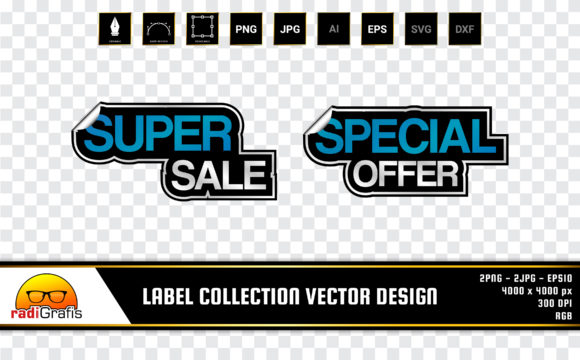
For graphic designers and visual merchandisers, the challenge is to create labels that attract attention without feeling cheap or aggressive. Typography, color contrast, and placement all play a role. A "Best Price" label printed in a clean sans-serif font on a subtle background may suit a premium brand, while a bold "Sale" badge with a starburst shape works better for a discount retailer. Designers also consider the physical medium. A sticker on a product package must withstand handling, while a digital label must load quickly on mobile devices without obscuring key product details.
One practical example: a packaging designer working for a skincare brand might place a small "Best Price" tag on a bundle set without altering the overall minimalist look of the packaging. This preserves brand identity while still communicating value. For a flash sale, the same designer might create a temporary digital overlay that disappears after the promotion ends, keeping the product page clean long-term.
Choosing the Right Label for Your Situation
No single label fits every promotion. The right choice depends on your audience, your product, and your goal. If you are a freelancer selling digital templates, a "Sale" label on a limited-time bundle may encourage quick purchases. If you are an educator running a course, a "Best Price" label on an early-bird enrollment signals value without creating pressure. Hobbyists who sell handmade goods at local markets often benefit from simple handwritten sale tags that feel personal and authentic.
Consider what matters most to you. Is it ease of use? Pre-designed label templates save time. Is it flexibility? Custom labels let you match your brand. Is it cost? Printable labels cost pennies, while professional design services add expense. Define your priority first, then choose the label style and placement that supports it.
Long-Term Usefulness and Trust
Labels like "Best Price" and "Sale" work best when used sparingly and honestly. Overusing them trains your audience to ignore them. Worse, it can make your brand look desperate or dishonest. The most successful businesses and creators use these labels selectively, reserving them for genuine discounts or truly competitive prices. Over time, this builds a reputation for reliability. Shoppers who trust your labels will return, and they may even share your products with others.
For consumers, learning to evaluate labels critically turns a passive shopping habit into an informed decision. You stop reacting to every red sticker and start asking whether the deal matches your needs. That shift saves money and reduces impulse purchases.
Matching Labels to Your Goals and Skill Level
Beginners may start with free label templates or simple text overlays. As you gain experience, you can experiment with custom designs, dynamic pricing badges, or split-testing different label styles. Professionals often integrate labels into a larger promotional system that includes email campaigns, social media posts, and in-store signage. No matter your skill level, the core principle remains the same: a label should communicate value clearly and honestly. If it confuses or misleads, it fails its purpose.
Think about your current project. Are you launching a small clearance sale? A "Sale" label with a percentage off is straightforward. Are you positioning a premium product as a great deal? "Best Price" may carry more weight because it suggests fairness rather than desperation. Match the label to the message you want to send, and your audience will respond accordingly.