Using Super Sale and Special Offer Labels to Drive Consistent Promotional Results
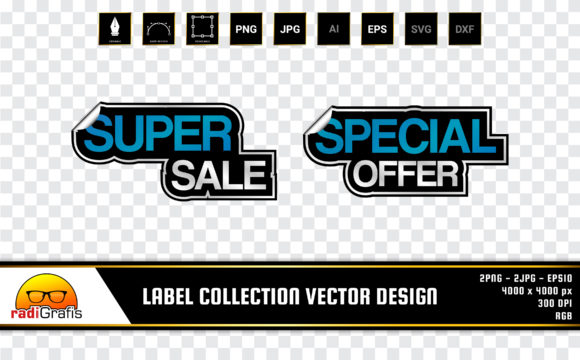
Promotions are a routine part of doing business, but the way you communicate them can make the difference between a campaign that converts and one that gets ignored. Super Sale and Special Offer Labels are more than decorative tags—they are strategic tools that help buyers quickly identify value, urgency, and relevance. When used correctly, these labels integrate into a broader promotional workflow that spans planning, execution, and follow-up. Understanding how to deploy them effectively can improve clarity, boost response rates, and reduce friction in your sales process.
Understanding the Role of Promotional Labels in Your Marketing Process
A Super Sale or Special Offer Label acts as a visual cue that signals a shift in value. In a crowded marketplace, customers scan content rapidly. A well-designed label cuts through noise and directs attention to what matters most. But its role goes beyond grabbing eyes. It also sets expectations. When a label promises a specific discount, bundle, or limited-time deal, it shapes the buyer’s decision-making process from the start.
In a practical workflow, these labels sit at the intersection of product presentation and promotional messaging. They are not standalone elements. They interact with product descriptions, pricing tables, email campaigns, and landing pages. Their effectiveness depends on how well they align with the timing of your offer and the clarity of your value proposition. If the label says "Super Sale" but the discount is minor, the label loses credibility. If the label says "Special Offer" but the terms are confusing, trust erodes. Consistency between the label and the actual deal is essential.
Planning Your Label Strategy Before a Campaign
The most effective promotional labels start with planning. Before you design a single tag, define the parameters of your offer. What is the discount percentage or dollar amount? What is the duration of the sale? Are there exclusions or minimum purchase requirements? Once these details are set, you can determine the appropriate label type. A Super Sale label works well for site-wide events or clearance pushes. A Special Offer label is better suited for targeted deals, such as first-time buyer discounts or loyalty rewards.
During this planning phase, consider where each label will appear. Will it be placed on category pages, product detail pages, checkout screens, or in emails? Each location has different constraints. A label on a search results page needs to be readable at a smaller size. A label in an email needs to complement the subject line and header. Map out the customer journey and assign labels to specific touchpoints. This ensures that the offer is reinforced consistently rather than scattered across unrelated channels.
Another planning consideration is compatibility with your existing design system. Your labels should use colors, fonts, and shapes that match your brand while still standing out. If every product already has a badge, adding another one creates visual fatigue. Reserve Super Sale and Special Offer Labels for genuine promotions, not as permanent fixtures. This preserves their impact over time.
Implementing Labels During Active Sales and Offers
Once the campaign goes live, implementation becomes about timing and accuracy. Apply labels at the moment the offer becomes active, not before. Pre-applying labels can confuse customers who see a discount that isn't yet available. Use automation tools or scheduling features in your ecommerce platform to control when labels appear. This reduces manual work and prevents mistakes.
During the active period, monitor how labels are performing. Are certain products with Special Offer Labels converting better than those without? Are Super Sale Labels driving more clicks but lower average order value? Use analytics to compare labeled and unlabeled products. This data informs real-time adjustments. For example, if a label is underperforming, consider changing its placement or copy. If a label is working well, test variations in color or size to see if results improve further.
Labels also interact with other promotional elements. If you are running a time-limited Super Sale, pair the label with a countdown timer on the product page. If you have a Special Offer for bundle deals, ensure the label links directly to the bundle configuration. These integrations create a seamless experience from label to checkout. The label starts the conversation; the rest of the page closes it.
Post-Campaign Analysis and Label Refinement
After the promotion ends, review how the labels contributed to overall performance. Compare conversion rates, revenue per visitor, and return rate for labeled versus unlabeled products. Look for patterns. Did one label type outperform the other for specific product categories? Did certain placements drive more sales? This analysis helps you refine your label strategy for future campaigns.
Also assess qualitative feedback. Did customers comment on the clarity of the offer? Were there support tickets asking about label terms? If confusion arose, the label copy or placement may need adjustment. Keep a log of what worked and what didn't. Over time, you will develop a set of best practices tailored to your audience and product mix.
Integrating Labels with Other Marketing Tools and Platforms
Super Sale and Special Offer Labels do not operate in a vacuum. They interact with email marketing, social media, advertising, and content marketing. For example, an email announcing a Special Offer should include the same label design used on your website. This visual consistency reinforces the message and builds recognition. When customers click through from an email and see the same label on the landing page, they feel confident the offer is legitimate and easy to redeem.
Labels also connect to inventory management. If a Super Sale applies only to a limited stock, the label can be dynamically set to disappear once inventory runs out. This prevents customer frustration and maintains trust. Similarly, if you use dynamic pricing based on user segments, labels can be personalized. A returning customer might see a Special Offer Label that a first-time visitor does not. Segmenting label visibility by user behavior adds precision to your promotions.
For businesses using multiple sales channels, label consistency across platforms is critical. Whether you sell on your own website, a marketplace, or social commerce, the same offer should use the same label. Discrepancies between channels create confusion and harm credibility. Use a central asset management system to store label templates and specifications. This makes it easy to deploy consistent labels across all touchpoints.
For an Ecommerce Store Running Seasonal Sales
An online retailer preparing for a holiday season might plan a week-long Super Sale. In the planning phase, they decide which product categories qualify and set label rules in their ecommerce platform. During the sale, labels appear on category pages, product tiles, and cart summaries. After the sale, they analyze which categories saw the highest lift and adjust next year's strategy accordingly.
For a Service Provider Offering Introductory Deals
A freelance designer offering a first-project discount uses a Special Offer Label on their portfolio page and in their proposal templates. The label links to a dedicated booking page with terms clearly stated. They also include the label in follow-up emails to prospects who did not book initially. Over time, they track which channels generate the most conversions from the Special Offer and allocate more effort there.
For a Content Creator Running a Limited-Time Course Bundle
An educator launching a bundle of courses at a reduced price uses a Super Sale Label on their sales page and in promotional social posts. The label is paired with a deadline countdown. They monitor enrollments daily and extend the offer only if the conversion rate is strong. After the sale, they survey buyers about what motivated the purchase—many cite the label as a key factor in their decision.
Key Considerations for Long-Term Label Use
Using promotional labels over multiple campaigns requires attention to usability and consistency. Establish a style guide that defines when and how each label type is used. For example, Super Sale labels might be reserved for discounts of 30% or more, while Special Offer labels cover smaller or more targeted deals. This distinction helps customers understand the significance of each label without needing to read fine print.
Quality control is another factor. Before any label goes live, verify that the offer terms match the label. Mistakes happen when labels are applied manually across many products. Automating label application based on product attributes or price rules reduces error. Also, test labels across devices and browsers to ensure they render correctly. A label that looks good on desktop might be illegible on mobile.
Finally, consider the long-term relationship with your audience. Overusing labels can desensitize customers. If every product has a "Super Sale" badge, the term loses meaning. Use labels strategically and sparingly. Combine them with clear copy and genuine value. When customers learn that a Super Sale Label always means a real, worthwhile discount, they are more likely to act when they see it.
Promotional labels like Super Sale and Special Offer are not just decoration. They are functional components of a well-organized marketing process. By planning their use, implementing them with care, and analyzing their impact, you can turn a simple label into a reliable tool for driving conversions and building trust with your audience.