Bringing Retro Character to Modern Work: Using a Vintage Comic Alphabet Halftone Shadow
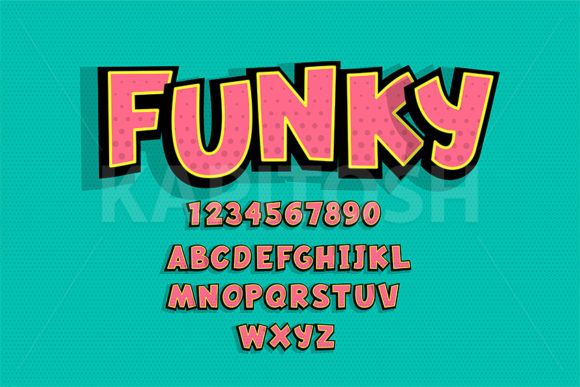
A design asset like a Vintage Comic Alphabet Halftone Shadow is not merely a collection of letters with decorative effects. It is a stylistic system that combines mid-century comic book lettering aesthetics—bold, playful outlines—with the mechanical charm of halftone dot shading and drop shadows. Understanding what this asset offers and how to integrate it into your workflow can save hours of manual layering and give your projects a consistent, professional retro look.
What This Asset Is and Where It Fits
At its core, a Vintage Comic Alphabet Halftone Shadow provides each character of the alphabet as a pre-rendered or vector element. The halftone effect mimics the printed comic strips of the 1930s through 1960s, where dots created shading and depth due to limited color printing technology. The shadow component adds a three-dimensional pop, making letters appear to lift off the page.
This asset fits naturally into the production phase of a creative project. Instead of building each letter’s halftone gradient and shadow from scratch in Photoshop or Illustrator, you place and scale existing elements. Designers who work with posters, social media graphics, merchandise, branding for coffee shops or barbershops, or any project that calls for a nostalgic, hand-drawn feel will find this particularly useful.
It also serves well in the planning and prototyping stage. Before committing to a full type treatment, you can drop a few letters into a layout to test how the vintage comic style interacts with your overall composition, color scheme, and other graphic elements.
Before the Project: Preparation and Planning
The most effective way to use a Vintage Comic Alphabet Halftone Shadow begins before you open your design software. Take inventory of the asset you have. If it is a vector file (AI, EPS, SVG), you can scale it infinitely without losing the halftone detail. If it is a high-resolution PNG or PSD, note the resolution and whether the halftone pattern is preserved at larger sizes.
Consider compatibility. This style works best on solid backgrounds, especially cream, off-white, or muted colors that mimic newsprint or comic book paper. Avoid placing it over busy photographic backgrounds, as the halftone dots and shadow details will compete with the image. Instead, plan for a dedicated text area or a sealed ink-style overlay.
During planning, decide if you will use the full alphabet or just a few key letters. For logos, headlines, or hero titles, selecting specific characters from the set and adjusting their spacing (kerning) manually often yields better results than forcing every letter into the layout.
During the Project: Integration and Customization
When you bring the Vintage Comic Alphabet Halftone Shadow into your document, treat it as a base layer that you can enhance. Here are practical ways to integrate it into your workflow:
- Layer stacking for depth: Duplicate the shadow layer and shift it slightly to create a double shadow effect, giving even more dimensional pop.
- Color overlay: If the asset is black or grayscale, apply a color overlay or gradient map. A red or blue halftone shadow over a yellow or white letter recreates classic comic book covers. Keep the shadow color darker than the letter color.
- Masking for texture: Combine the asset with a paper texture or noise layer, then mask it over the letters to simulate age and wear. This moves the asset from a clean digital look to a more authentic vintage print feel.
- Compositing with other elements: The halftone shadow can be applied to headlines while the body text uses a clean sans-serif font. This contrast draws attention without overwhelming the reader.
For motion designers or video editors, you can import the asset as individual PNG sequences or layered PSD files into After Effects or Premiere. Animating the letters with a slight bounce or fade mimics the arrival of a printed comic title card.
After the Project: Quality Control and Consistency
Once your design is complete, review how the Vintage Comic Alphabet Halftone Shadow holds up across different outputs. For print, check that the halftone dots do not create moiré patterns when combined with other halftone images. If you are printing on a home or small offset press, a 45-degree screen angle on the shadow layer can help reduce interference.
For digital use—social media, websites, email headers—check readability on small screens. The halftone dots in the shadow can become noise or fuzziness at thumbnail sizes. You may need to scale down the shadow intensity or soften it slightly for mobile-first formats. Always preview the final design at the size your audience will actually see it.
How This Asset Interacts with Other Tools, Resources, and Decisions
A Vintage Comic Alphabet Halftone Shadow does not exist in isolation. Its effectiveness depends on the tools and methods you pair it with:
- Vector editing software (Adobe Illustrator, Affinity Designer, Inkscape): Best for scaling, recoloring, and rearranging individual letters. Use the Pathfinder or Boolean tools to cut letters into shapes or combine them with other vector assets like speech bubbles or burst shapes.
- Raster editing software (Photoshop, GIMP, Procreate): Use for applying textures, blending modes (Multiply, Overlay), and lighting effects. The halftone shadow often responds well to a Multiply blend mode over a paper texture.
- Font management or asset libraries: If you own multiple vintage design kits, organize them in a digital asset manager with tags like “comic,” “halftone,” “retro shadow.” This makes retrieval fast when you are under deadline.
- Collaboration tools (Canva, Figma, Pixelmator): In platforms where team members may not be advanced designers, a pre-built Vintage Comic Alphabet Halftone Shadow ensures brand consistency. Everyone uses the same letter forms without needing to replicate the effect manually.
When integrating with other assets, pay attention to color harmony. A vintage comic alphabet with halftone shadow typically pairs well with limited palettes (two or three colors) and solid inks. Avoid gradients or drop shadows from the software itself—they will clash with the built-in shadow of the asset.
For Marketers and Small Business Owners
Use this asset for limited-run promotional materials like event posters, sale signs, or seasonal social media headers. The vintage comic style signals playfulness and nostalgia, which works well for local businesses—think pizzerias, record stores, arcades, or craft breweries. Keep the message short: one or two words in the comic alphabet, supported by a clean, readable body font.
For Educators and Content Creators
Create attention-grabbing thumbnails or headers for video content. A bold, shadowed letter title against a textured background increases click-through rates because it stands out in crowded feeds. For printable classroom materials, use the alphabet sparingly for the main subject label, then use standard fonts for instructions or body copy.
For Publishers and Freelancers
If you are designing a zine, a comic anthology, or a chapter header for a fiction piece, this alphabet can serve as the title treatment. The halftone shadow complements hand-drawn illustrations and bitmap-style art. To maintain consistency across a series, lock in the scale, color, and shadow direction of the alphabet so every title follows the same visual rules.
For Bloggers and Hobbyists
Even in personal projects like a birthday invitation, a podcast logo, or a YouTube channel banner, the Vintage Comic Alphabet Halftone Shadow adds a handcrafted feel. A quick tip: if the asset includes punctuation or numerals (many do), use those to keep the entire headline in the same style.
Long-Term Use, Organization, and Efficiency
To get the most from a Vintage Comic Alphabet Halftone Shadow over many projects, treat it as a repeatable component rather than a one-off element. Here are observations from creators who use such assets regularly:
- Create a master library file. Place each letter on its own artboard or layer, clearly labeled. When you need a specific character, copy it directly from this master file instead of digging through folders.
- Build reusable templates. Design a standard poster or social media template that includes the alphabet placed in a specific area. Change the letters and background each time, but keep the overall layout and shadow direction the same. This speeds up production and builds a visual brand signature.
- Document the asset’s original attributes. Note the intended resolution, color mode (RGB or CMYK), and any layer naming conventions. If you share the file with a collaborator, they will work faster if they understand how the halftone shadow was constructed.
- Consider scaling limitations. If the halftone dots are rasterized, shrinking the alphabet too much will make the dots disappear, and enlarging it too much will make them look like large circles rather than shading. Test at different sizes early and note the usable range.
Quality Control and Consistency Over Repeated Use
As you use the Vintage Comic Alphabet Halftone Shadow across multiple projects, you may notice small inconsistencies in letter spacing or baseline alignment that come from importing the asset repeatedly. A simple fix: place all the letters for a single headline in one document, adjust the spacing there, and then export the entire headline as a single image. This avoids alignment drift.
For long-term consistency, especially if you work on a series of publications or posts, standardize the shadow direction. Decide if your shadow falls to the bottom-right, bottom-left, or straight down. Stick with that direction for every use so the visual language remains coherent. Similarly, choose one halftone dot size (fine, medium, large) and stick with it unless the medium changes (e.g., billboard vs. business card).
Finally, keep an archive of past uses. When a client or audience member sees a familiar treatment, they build recognition. By reusing a consistent Vintage Comic Alphabet Halftone Shadow across materials, you strengthen your brand’s visual identity without reinventing the wheel each time.
Moving from Experimentation to Routine
The real value of this asset is not in any single headline or poster. It is in the way it speeds up your production and gives you a reliable retro look that would take hours to recreate manually. Start by using it in one small project, note how it integrates with your existing software and file management habits, then expand its use into larger campaigns or recurring formats. Over time, the Vintage Comic Alphabet Halftone Shadow becomes a predictable, time-saving tool in your design workflow—one that lets you focus on message and composition rather than repetitive technical work.