Crafting Visual Depth: The Art of the 3D Luxury Background Pack
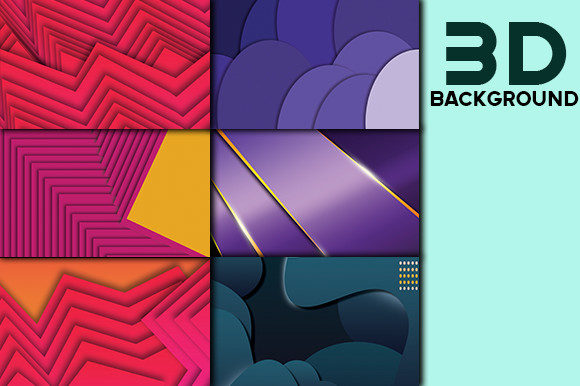
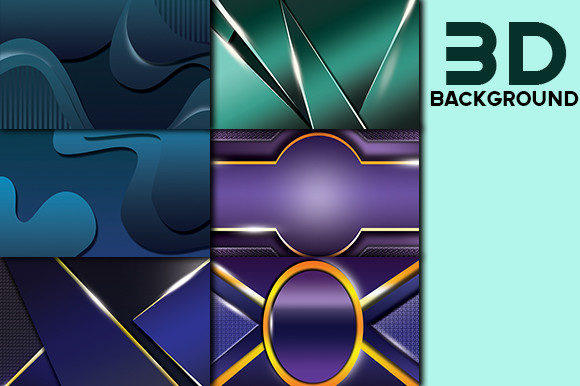
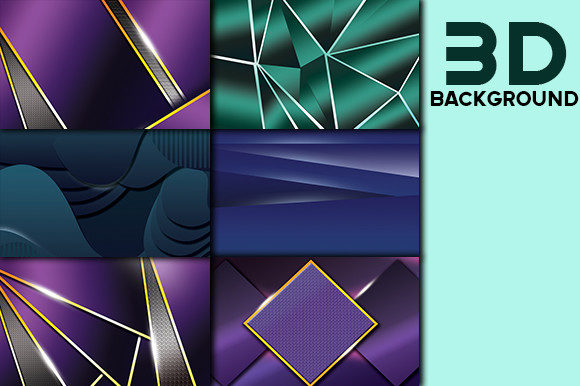
Visual storytelling has shifted dramatically over the past decade. Flat, static backgrounds no longer hold the attention of discerning audiences. Instead, creatives and brands are turning to layered, dimensional environments that evoke sophistication and immersion. At the heart of this movement lies the 3D luxury background pack—a curated collection of high-end, three-dimensional scenes designed to elevate any visual project. These packs offer more than just pretty textures; they provide a foundation for narrative depth, emotional resonance, and professional polish.
The Sensory Shift from Flat to Dimensional
Human perception is wired for depth. We naturally gravitate toward environments that feel tangible, where light plays across surfaces and shadows anchor objects in space. A 3D luxury background pack capitalizes on this by delivering renders that simulate real-world materials—marble veining, brushed metal, velvet drapery, or frosted glass—with meticulous attention to reflection, refraction, and subtle grain. When placed behind a subject, product, or typography, these backgrounds do not sit idly; they interact, creating a visual conversation between foreground and background.
Consider the difference between a flat gradient and a softly lit marble slab rendered in 3D. The gradient is pleasant but forgettable. The marble, however, carries weight. It suggests permanence, quality, and a story of formation. That is the intangible value a luxury background pack brings: it injects a sense of place and material truth into digital work.
Material Realism and Surface Narratives
One of the defining characteristics of these packs is the fidelity of materials. Modern rendering engines allow for physically accurate simulations of how light interacts with surfaces. A single file in a 3D luxury background pack might feature a polished onyx surface with subsurface scattering, where light penetrates the stone and glows from within. Another might present brushed titanium with anisotropic reflections that shift as the viewer moves around the composition. These details are not ornamental—they ground the scene in a reality that viewers instinctively trust.
For product designers, this means a gadget photographed against a realistic carbon-fiber backdrop reads as premium before the product itself is evaluated. For portrait photographers, a softly lit abstract architectural background can convey luxury without distracting from the subject. The background becomes a silent collaborator in the message.
Workflow Integration Across Creative Disciplines
One of the overlooked strengths of a well-constructed 3D luxury background pack is its versatility across software environments. These assets are typically delivered in high-resolution formats compatible with Photoshop, After Effects, Premiere Pro, Final Cut, Blender, Cinema 4D, and even presentation tools like Keynote or Canva. The best packs include layered files where lighting and reflections remain adjustable, giving the user control rather than a fixed image.
Motion designers, for example, can take a single luxury background and displace it subtly over time to create parallax effects. A marble surface with slight camera movement evokes the feeling of floating over a vast, polished floor. Video editors can use these backgrounds as dynamic overlay elements, reducing exposure on them to retain focus on the talent while still communicating opulence. The file structure often includes multiple color variants—warm golds, cool silvers, deep charcoals—so that the same layout can shift mood without reshooting or rebuilding.
Adapting to Brand Color Palettes
Agencies and in-house teams frequently face the challenge of aligning stock assets with strict brand guidelines. A 3D luxury background pack that includes adjustment layers, LUTs, or complementary color grades allows designers to match the background to a client's exact Pantone specifications. This flexibility transforms a generic resource into a brand-specific tool. Rather than searching for the perfect existing background, the creative team selects a foundation and sculpts it to fit.
For example, a watch brand with a signature emerald green identity can take a gold-veined marble background and tint it toward their brand hue while preserving the depth and reflectivity of the original render. The result feels custom, not compromised.
Elevating Digital and Print Collateral
The application of luxury 3D backgrounds extends far beyond screen-based design. High-end brochures, packaging mockups, trade show banners, and even hotel lobby signage benefit from the resolution and detail these files provide. Because the renders are generated from 3D scenes, they can be output at extreme resolutions without pixelation—critical for large-format printing where every subtle gradient is magnified.
A 3D luxury background pack intended for print often includes versions optimized for CMYK with embedded color profiles, saving time during production. The tactile nature of the rendered materials translates surprisingly well to physical substrates. A brand that uses a brushed aluminum backdrop in its digital assets can echo that same aesthetic on its product packaging, creating a cohesive visual ecosystem across touchpoints.
Social Media and Content Marketing
In the crowded landscape of Instagram, LinkedIn, and YouTube thumbnails, visual distinction is currency. Content creators who rely on a 3D luxury background pack for their social graphics immediately differentiate themselves from the sea of flat gradients and simple patterns. A LinkedIn banner featuring a deep, metallic geometric grid suggests authority and refinement. A YouTube thumbnail set against a softly blurred luxury textile draws the eye and implies production value—often before the video even begins.
Even short-form content like quote cards or promotional stories can be elevated. A single slide with elegantly lit 3D marble behind a testimonial transforms a routine graphic into a brand statement. Over time, audiences begin to associate that aesthetic quality with the creator, building trust through consistent visual excellence.
Ethical and Sustainable Production Considerations
An often overlooked advantage of using a digital 3D luxury background pack is its environmental impact. Traditional luxury photoshoots require physical sets, materials, transportation, and often single-use props. A finely crafted background pack eliminates the need for constructing, transporting, and disposing of physical elements. Designers can achieve the look of a Carrara marble studio or a gilded hotel suite entirely through rendering. This not only reduces waste but also democratizes access to premium aesthetics for small teams and independent creators who could never afford a physical production of that scale.
Moreover, the reusability of these assets means one purchase can serve hundreds of projects across years. Unlike trend-driven stock photography that dates quickly, well-designed 3D luxury backgrounds often possess a timeless quality—abstract enough to fit multiple eras, detailed enough to feel current. This longevity reduces the cycle of constant content refresh and allows creatives to build a consistent library over time.
File Management and Asset Lifespan
Professionals who invest in a 3D luxury background pack frequently note the importance of metadata and organization. Quality packs include descriptive filenames, categorized folders by material type (stone, metal, textile, abstract), resolution tiers, and color moods. This systematic organization ensures that a designer can locate the exact background needed in seconds rather than scrolling through generic thumbnails. For teams sharing assets across departments, a well-structured pack becomes part of the company's visual infrastructure, outlasting any single campaign.
Creative Exploration Beyond Commercial Use
It would be a mistake to view these background packs solely as tools for business. Artists, educators, and hobbyists use them to explore light, composition, and color theory. A student learning portrait photography can practice lighting setups by placing virtual subjects against a 3D luxury background and observing how reflections and shadows interact. A digital painter might use the materials as reference for texture studies, zooming into the grain of rendered leather or the refraction in cut crystal. The educational value is substantial because the backgrounds offer consistent, controllable environments that would be expensive or impractical to replicate physically.
Architects and interior designers also find utility. A 3D luxury background pack that includes spatial elements—columns, draped fabrics, decorative panels—can serve as mood boards for client presentations. Instead of describing a material verbally, the designer places the rendered element into a concept board, letting the client experience the texture and light behavior directly. This bridges the gap between imagination and reality, accelerating decision-making and reducing revisions.
Personal Projects and Artistic Expression
On a personal level, these backgrounds fuel creative expression without the pressure of commercial constraints. A photographer might use a luxury pack as the sole backdrop for a fine art series exploring themes of abundance and solitude. A musician releasing album artwork could select a single, evocative background that captures the mood of the entire record. Because the backgrounds are already polished, the artist can focus entirely on concept and emotion rather than technical execution. This creative liberation is perhaps the most profound advantage: the tool fades into the background, literally and figuratively, allowing the vision to lead.
Choosing the Right Pack for Your Practice
Not every 3D luxury background pack is created equal. Discerning buyers evaluate based on rendering quality, resolution range, file format flexibility, and the variety of scenes included. The best packs demonstrate a clear artistic point of view—they are not simply random beveled shapes but intentional compositions with considered lighting and material hierarchy. A pack that offers both abstract and representational scenes provides broader utility, while one focused on a single material like marble may better serve brands with a specific aesthetic identity.
Another consideration is how the backgrounds handle depth of field. Some packs include both fully sharp renders and versions with subtle bokeh, giving the designer control over focus. Others include separate element layers so that foreground objects can be composited with realistic occlusion and shadow. These technical details separate a professional-grade asset from a decorative one.
Versioning and Future-Proofing
As display technology evolves—higher dynamic range, wider color gamuts, higher pixel densities—the backgrounds must keep pace. A forward-thinking 3D luxury background pack is often delivered in color spaces like Adobe RGB or DCI-P3, with 16-bit depth to preserve subtle gradations. Some packs now include HDR environment maps embedded within the files, allowing the background to react dynamically when placed in 3D software. This level of future-proofing ensures that the investment remains relevant as production standards climb.
Observation and Craftsmanship in Every Render
Ultimately, the power of a 3D luxury background pack lies in the craftsmanship of the original render. Each scene must consider where the light originates, how it wraps around curvature, what the secondary bounce reveals, and where the darkest shadows fall to anchor the composition. These decisions are not automatic—they require an understanding of visual hierarchy and material behavior. When that craft is present, the background does not compete with the subject; it amplifies it. The viewer may not consciously notice the subtle glow of a brushed gold surface or the faint reflection in a distant mirror, but they feel the difference. That feeling is the difference between forgettable content and work that lingers.
For anyone—designer, marketer, educator, or artist—seeking to communicate sophistication without shouting, these packs offer a quiet but powerful instrument. They respect the viewer's visual intelligence and reward careful use with work that looks and feels considered. In a world saturated with content, that consideration is everything.