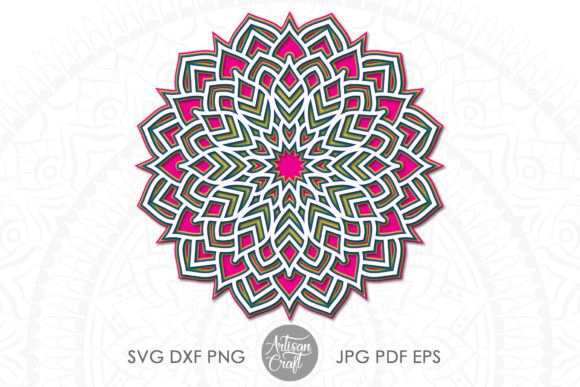
Layered Mandala SVG and 3d Mandala SVG: Practical Design Assets for Modern Creative Work
Mandala-based graphics have moved well beyond their traditional decorative roots. Today, designers, content creators, and business owners regularly turn to structured geometric artwork for branding backdrops, social media visuals, product packaging, and digital interfaces. Among the many formats available, Layered Mandala SVG and 3d Mandala SVG stand out as particularly useful assets for professionals who need flexibility, scalability, and visual depth without starting from scratch. Understanding what these files actually offer, how they perform in real projects, and who benefits most from them can help you decide whether they belong in your toolkit.
What Layered Mandala SVG and 3d Mandala SVG Actually Are
A layered mandala SVG is a vector file built with separate, editable components stacked on top of one another. Each layer typically contains distinct ornamental shapes, paths, or motifs that combine to form a complete circular composition. Because the file retains individual layer structures, you can hide, recolor, resize, or rearrange elements inside design software such as Adobe Illustrator, Inkscape, or Affinity Designer. This modularity distinguishes layered mandala SVGs from flattened raster images or single-path vector illustrations.
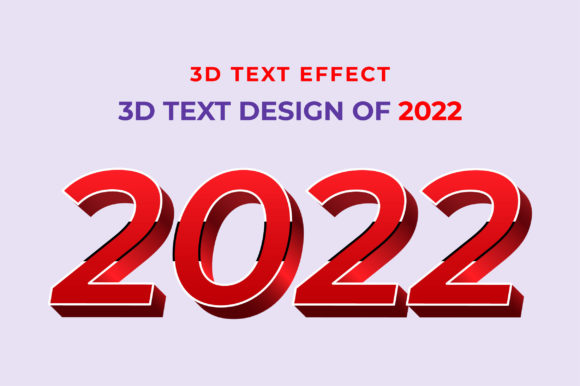
3d mandala SVGs take the concept further by incorporating shading, gradient fills, isometric perspective cues, or overlapping geometries that simulate depth and volume. While true three-dimensional rendering requires a 3D application, a well-made 3d mandala SVG uses vector techniques to create the illusion of raised surfaces, shadows, and spatial layering. The result is a graphic that feels dimensional while remaining lightweight, infinitely scalable, and fully editable within standard vector editors.
Core Characteristics That Matter in Practice
Several technical and design features define high-quality layered and 3d mandala SVGs. Understanding these characteristics helps you evaluate assets before purchase or use.
Layer separation and naming conventions directly affect editing speed. Files with clearly labeled groups—such as “outer ring,” “middle petals,” or “center shadow”—allow you to modify specific sections without hunting through dozens of anonymous paths. Professional-grade assets also use non-destructive effects where possible, preserving the original shapes even after applying transformations.
File size and path complexity influence performance. A single mandala SVG can contain hundreds of nodes if built from intricate curves. Excessively heavy files slow down preview rendering in web browsers and increase page load times when used inline on websites. Well-optimized 3d mandala SVGs balance visual detail with clean, minimal path data, making them suitable for both print and digital delivery.
Color structure and gradient handling separate flexible assets from rigid ones. Layered mandala SVGs that use global swatches or theme-based color groups simplify rebranding. For 3d mandala SVGs, gradient meshes or carefully placed linear fills create depth, but files that rely exclusively on hard-coded color stops can be harder to adapt to different color palettes.
Scalability and resolution independence remain the primary advantage of SVG over raster graphics. A layered mandala SVG exported at 72 DPI prints just as sharply at 300 DPI because the rendering engine recalculates paths on the fly. This makes the format ideal for large-format signage, merchandise mockups, and responsive web backgrounds where pixel density varies.
Practical Strengths and Real-World Use Cases
Layered mandala SVGs and 3d mandala SVGs serve different purposes depending on the medium and audience. Their practical value becomes clearest when examined through specific project scenarios.
Branding and Visual Identity
Small business owners and entrepreneurs often need distinctive patterns that reinforce brand recognition without overwhelming product packaging or website headers. A layered mandala SVG can serve as a background motif, watermark, or repeating pattern element. Because the layers remain editable, you can extract a single ring of ornamentation for use as a logo accent or simplify the full design for smaller applications like favicons and social profile images.
For brands targeting wellness, spirituality, or premium lifestyle markets, a 3d mandala SVG adds perceived value through visual depth. The dimensional appearance suggests craftsmanship and attention to detail, which can enhance consumer trust. Realistically, a subtle 3d mandala used as a hero image background on a meditation app landing page communicates calm and complexity without requiring animation or JavaScript.
Print-on-Demand and Merchandise
Creators selling through platforms like Printful, Redbubble, or Society6 benefit from vector assets that adapt to multiple product templates. A layered mandala SVG can be recolored to fit seasonal collections or split into separate elements for different product placements. The center motif might appear on a t-shirt front, while the full composition works for a duvet cover or wall art print.
Limitations appear when the 3d mandala SVG relies heavily on gradients that don't translate well to certain print methods. Screen printing, for instance, often requires solid color separations. If the 3d effect depends on dozens of gradient stops, converting the file to a limited palette may flatten the depth you intended. Checking whether the asset includes a flat-color variant or carefully reviewing print specifications beforehand avoids production surprises.
Digital Content and Social Media
Bloggers, educators, and digital publishers frequently need visually engaging graphics for thumbnails, post headers, and presentation slides. A layered mandala SVG lets you quickly generate unique visuals by combining parts of the design with text overlays. You might use the outermost ring as a frame for a quote image and the inner motif as a bullet point icon in a checklist.
3d mandala SVGs work especially well for video intro sequences, slide transitions, and animated reveal effects. When you import them into motion graphics software like After Effects, the separate layers can be staggered, rotated, or scaled independently to create kinetic depth. The dimensionality becomes a storytelling device rather than just decoration.
Who Benefits Most from These Assets
Not every creative project requires layered or 3d mandala SVGs, but certain user groups find them particularly useful.
Freelance graphic designers handling multiple client brands can reuse a library of layered mandala SVGs as building blocks. By adjusting colors, scaling rings, and mixing elements from different files, they produce original compositions faster than drawing each one from scratch. The time savings compound when clients request revisions to specific sections of a mandala layout.
Web developers and front-end designers who integrate SVGs directly into HTML or CSS benefit from the small file sizes and responsive scaling of layered mandala SVGs. A single file can serve as the hero background for desktop, tablet, and mobile views without resolution breaks. Adding parallax scrolling effects to a 3d mandala SVG enhances visual interest without heavy image assets.
Marketers and content creators producing visual collateral for social media campaigns appreciate the adaptability of layered files. An asset that initially serves as a Facebook cover can be quickly modified into an Instagram story background, a LinkedIn banner, or a Pinterest pin graphic. The consistency across formats strengthens brand recall.
Educators and workshop facilitators teaching design principles sometimes use mandala SVGs as examples of symmetry, radial balance, and color theory. The layered structure makes it easy to isolate individual design elements for discussion, and students can practice editing vector paths without needing to build complex geometry themselves.
Quality Considerations and Long-Term Value
Evaluating layered and 3d mandala SVGs requires attention to construction quality, not just visual appeal. A file that looks beautiful in the preview thumbnail may reveal structural problems during editing.
Grouping and layer logic determine how much control you retain. Assets where every path sits in a single group offer little flexibility. High-quality files use nested groups with descriptive layer names, allowing you to toggle visibility, apply effects, or export sub-elements individually. This granularity directly affects how many times you can repurpose the same asset across different projects before it feels repetitive.
Anchor point optimization affects both file size and editing smoothness. Well-constructed vectors use the fewest anchor points necessary to maintain curve accuracy. Excess nodes make resizing and warping operations sluggish and increase file weight. If you plan to modify the 3d mandala SVG significantly, clean path geometry saves time and reduces frustration.
Gradient and shadow setups in 3d mandala SVGs deserve scrutiny. Some sellers flatten gradients into raster-like images embedded inside the SVG, which defeats the purpose of using a vector format. Authentic 3d mandala SVGs achieve depth through vector gradients, opacity masks, and overlapping shapes. Testing the file by scaling it up 500% reveals whether the dimensional effect holds or degrades.
Long-term value also depends on licensing terms. Many marketplaces sell layered mandala SVGs with standard commercial licenses that cover print runs under a certain quantity or revenue threshold. If you anticipate large-scale distribution or sublicensing the finished designs, verify that the license permits your intended use.
Possible Limitations and What to Watch For
No asset type is universally perfect. Layered mandala SVGs and 3d mandala SVGs have constraints worth acknowledging before committing to them for a project.
Complexity costs time. A heavily layered mandala SVG with dozens of groups and hundreds of paths opens more slowly in weaker software versions and can overwhelm beginners who just want a quick decorative element. If your workflow prioritizes speed over customization, a simpler SVG or even a PNG may serve you better.
3d illusion quality varies enormously between sellers. Some 3d mandala SVGs rely on drop shadows and basic gradients that look dated or amateurish, especially when printed or displayed at large sizes. Vetting assets from established creators who show real-world use examples helps avoid disappointment.
Browser rendering differences can affect 3d mandala SVGs displayed online. WebKit, Blink, and Gecko engines each interpret SVG gradient and opacity rules slightly differently. The 3d effect that looks crisp in Chrome might appear washed out in Firefox. Testing across browsers before deployment catches these discrepancies early.
Practical Recommendations for Choosing and Using Layered Mandala SVGs and 3d Mandala SVGs
Focus on files that align with the specific demands of your workflow. If you frequently produce print materials, prioritize layered mandala SVGs with clear separation so you can generate color separations without manual path tracing. If your primary output is digital, look for 3d mandala SVGs with moderate path counts and web-safe gradient structures that render consistently across browsers.
Build a small core library of versatile assets rather than collecting hundreds of similar designs. A single layered mandala SVG with well-organized rings can yield dozens of unique variations through recoloring, rotation, scale manipulation, and partial extraction. Investing in quality over quantity pays off when deadlines are tight and revisions are frequent.
Test editing the file before buying when possible. Marketplaces that allow preview downloads enable you to open the layered mandala SVG in your software, check layer names, apply color changes, and examine path complexity. If the seller does not offer a preview, reviewing their product images for inset close-ups of the layer panel can provide clues about the file structure.
Combine layered and 3d approaches strategically. You might use a layered mandala SVG as the base structure for a printed brochure cover and then overlay key elements from a 3d mandala SVG for the digital version of the same design. This dual approach maintains brand cohesion while adapting to medium-specific strengths.
Document your modifications. When you customize a layered mandala SVG for a client project, saving a separate version with notes about color palettes, layer visibility settings, and scale ratios streamlines future updates. The same principle applies to 3d mandala SVGs used in animations—keeping a source file with intact effects and masks makes it easier to adjust motion paths later.
Ultimately, layered mandala SVGs and 3d mandala SVGs serve best as flexible building materials rather than finished products. Their real value emerges when you treat them as starting points that you reshape, remix, and adapt to fit your specific creative needs. Whether you run a design studio, manage a brand's visual presence, or teach others how to craft compelling graphics, these vector assets offer a practical shortcut to polished, scalable, and distinctive visual work.