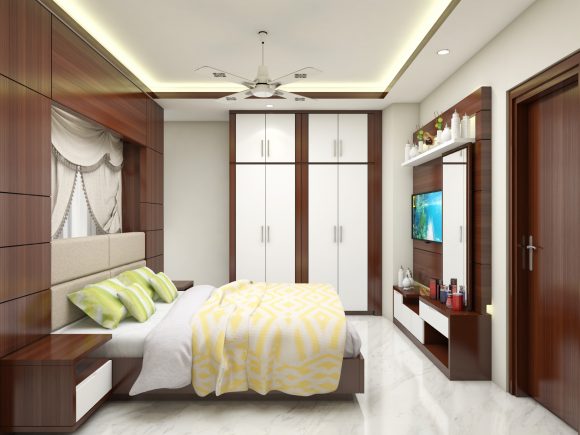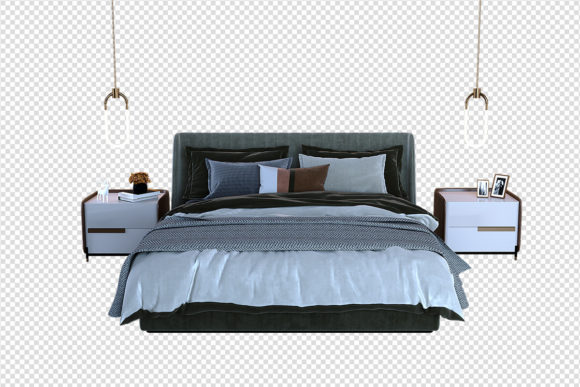
Bedroom Interior Design with 3D Rendering: Prototype Your Sanctuary Digitally
Getting a bedroom right is surprisingly difficult. It’s not just about picking a bed frame or a shade of paint. A bedroom has to serve multiple masters: silence for sleep, storage for clothes, and atmosphere for relaxation. The problem is that imagination is unreliable. A color that looks fantastic in a small paint swatch can feel cold and sterile when covering four walls. A sofa that fits the showroom floor can block a doorway in your space.
This gap between what you imagine and what you get is where 3D rendering for bedroom interior design becomes indispensable. It allows you to build a visual prototype of the room. Instead of guessing, you test. You move walls, swap textures, and adjust lighting long before any materials are purchased or deliveries are made.
What Makes 3D Rendering Different Than a Regular Mood Board
A mood board captures a vibe. A 3D rendering captures reality. When you assemble images on Pinterest, you’re combining photos from different rooms with different lighting and ceiling heights. It’s aspirational, but it’s not accurate. Bedroom interior design 3D rendering takes your exact floor plan, your specific window placement, and your actual furniture dimensions to create a single, cohesive preview of the finished space.
It answers concrete questions. Will a king-size bed leave enough room for a dresser? Does afternoon light hit the television screen, causing glare? Can you fit a dedicated workspace without making the room feel cramped? These are the real problems that 3D visualization solves before they become expensive mistakes.
Real-World Applications: When and Why People Use It
3D rendering isn’t just for architects or high-budget contractors. It has become a standard tool for anyone serious about getting their bedroom right. Here is where it fits into different scenarios.
Homeowners Avoiding Costly Visual Mistakes
You finally decided to go with that dark, moody navy accent wall. In your head, it looks sophisticated. In the rendering, you realize it makes the room look like a cave because the only window faces north. This is a classic scenario. Homeowners use 3D rendering to test lighting conditions over a simulated 24-hour period. They can see how the sunrise hits the curtains, or how warm lamplight interacts with cool gray walls. The benefit is purely financial. A few hours of digital work can prevent hundreds of dollars in repainting costs or the hassle of returning an oversized headboard.
Interior Designers Streamlining Client Communication
Words are inefficient for describing visual space. Telling a client that a room will feel “airy” or “grounded” means nothing until they see it. Professional designers use 3D rendering to bridge this communication gap. When a client sees a realistic image of their future bedroom, they stop guessing and start reacting. They might say, “I prefer a lower footboard,” or “Can the nightstands be walnut instead of oak?” This immediate, specific feedback cuts down on revision cycles. It builds trust because the client feels like they are part of the creation process, not just waiting for a surprise.
E-commerce Stores and Furniture Brands Selling the Lifestyle
If you run an online store selling bedroom furniture, your biggest challenge is context. A photograph of a lamp on a white background tells the customer what the lamp looks like, but it doesn’t tell them how it will feel in a room. 3D rendering solves this by placing your products in realistic, desirable bedroom settings. You can create a “Scandinavian bedroom” scene or a “luxe hotel” setup without renting a photography studio. This approach lets customers visualize your products as part of a cohesive design. It reduces the mental load on the buyer, making them more likely to purchase.
Content Creators and Bloggers Building an Aesthetic Brand
For bloggers and social media creators in the home niche, consistent content is the lifeblood of growth. Renting locations and styling physical rooms is expensive and time-consuming. 3D rendering allows creators to generate unlimited bedroom concepts from a laptop. You can design a minimalist room one week and a bohemian retreat the next without buying a single prop. This feeds directly into YouTube thumbnails, Pinterest mood boards, and Instagram carousels. The quality of the render reflects directly on the perceived authority of the creator.
Real Estate Agents Staging for Emotional Connection
Empty bedrooms are hard for buyers to love. A bare room feels small because there is no scale reference. Virtual staging using 3D rendering solves this instantly. Agents can digitally furnish a master bedroom with a four-poster bed, soft rugs, and warm lighting. This helps potential buyers emotionally connect with the property. They stop seeing an empty box and start seeing their future sanctuary. This often leads to faster offers and higher perceived value for the home.
What to Consider Before You Start Your First Bedroom Render
Jumping into 3D rendering requires some planning. It is not a magic button, but a skill. Here is what you should evaluate before you start designing.
Your Skill Level and Software Choice
Not all software is created equal. If you are a homeowner just wanting to test a layout, complex tools like Blender or 3ds Max might be overwhelming. Look for real-time rendering tools or web-based interior design platforms that offer drag-and-drop functionality. You can get a solid visual preview in minutes. If you are a freelancer or designer wanting photorealistic client work, you will need to invest time in learning proper texture mapping, lighting setups, and camera composition. The tool you choose should match the level of realism you need to output.
The Importance of Accurate Dimensions
A 3D render is only as good as the floor plan it is built on. If your room dimensions are off by a few inches, the furniture scale will be wrong. A chair that looks perfectly proportioned in the render might block a walkway in real life. Always take precise measurements of the room, including window heights, door swings, and outlet locations. Inputting these details makes the bedroom interior design 3D rendering a reliable tool rather than just a pretty picture.
Lighting Is Everything in Bedrooms
Bedrooms are low-light environments by design. You don’t want the harsh overhead lighting of a kitchen. Pay attention to how you layer light in your digital model. Ambient light from windows, task light from bedside lamps, and accent light on a piece of art all behave differently. A good rendering engine simulates this accurately. You will notice if a room relies too much on a single ceiling fixture. This insight directly influences your real-world lighting purchases.
Texture and Material Realism
There is a big difference between a room that looks “digital” and a room that looks “real.” The secret is in the materials. Velvet reflects light differently than linen. Wood has grain. Concrete has imperfections. When you are choosing materials for your render, look for high-resolution texture maps. This attention to detail makes a bedroom feel tactile. A viewer should almost feel the texture of the throw blanket or the smoothness of the nightstand. This level of detail is what separates a casual sketch from a professional presentation.
How Different Users Benefit from 3D Bedroom Design
- The busy professional: Needs to furnish a new apartment quickly. Uses 3D rendering to choose all furniture in one weekend, confident it will fit and match. Saves weeks of return-and-exchange headaches.
- The small business owner: Runs a boutique linen shop. Creates 3D scenes showing the sheets on a perfectly made bed in a sunlit room. Uses the renders for ads and product pages, reducing photography costs by half.
- The freelance interior designer: Uses renders to win a contract. The client saw the vision clearly and signed off immediately. The designer saved time by avoiding multiple physical site visits and material boards.
- The hobbyist and learner: Practices design by recreating famous hotel bedrooms in 3D. Builds a portfolio without spending any money on real materials. Uses the portfolio to land their first real client.
Connecting Features to Real Outcomes
It helps to think about 3D rendering features in terms of real-world results. Realistic lighting simulation means you will buy the correct bulb temperature for your bedside lamps. Spatial layout tools mean you can confidently order a bed frame online, knowing it won’t block the closet doors. Material libraries let you compare a linen headboard against a velvet one without ordering swatches. Every feature in the software corresponds to a problem in the physical world. The rendering process becomes a rehearsal for the real renovation.
Before you commit to a specific bedroom design plan, using 3D rendering to test it virtually is the smartest investment of your time. It turns guesswork into decision-making. It gives you a digital blueprint of a space that should feel safe, comfortable, and entirely your own. Whether you are a homeowner protecting your budget, a designer convincing a client, or a creator building a brand, the ability to prototype your sanctuary before you build it changes how you approach the entire process.