What That Red Household Fire Extinguisher Actually Means for Your Everyday Life
If you have ever stood in the hardware aisle staring at rows of canisters, wondering whether that bright red household fire extinguisher is something you actually need, you are not alone. Most people buy one out of a vague sense of responsibility, then stash it under the sink and forget about it for years. But that red cylinder can be the difference between a minor mishap and a life-altering loss. Let’s talk about what it really does, when it matters most, and how different people use it in ways that go far beyond checking a safety box.
More Than a Kitchen Prop
That red household fire extinguisher is designed to tackle the most common types of fires you might face at home: Class A (wood, paper, cloth, trash), Class B (flammable liquids like cooking oil or gasoline), and Class C (electrical fires). Most residential units carry a multi-purpose ABC rating, which means they can handle all three. The red color isn’t just for visibility—it’s a universal signal that says, “grab me when things get hot.” But knowing what it is matters less than knowing when you might actually reach for one.
The Kitchen Incident You Didn’t Plan For
Picture this: you are searing steaks on a weeknight, the pan overheats, and suddenly a grease fire climbs up the handle. Water will make it worse. Baking soda might help if you catch it early enough, but if the flames are already licking the cabinets, that red household fire extinguisher becomes your best friend. Aim low, squeeze the lever, sweep side to side—and within seconds, the fire is smothered. No professional fire department response time can beat those critical moments when a fire doubles in size every thirty seconds.
For home cooks who love high-heat techniques, this scenario is uncomfortably real. Even a simple forgotten towel left too close to a burner can ignite while you’re chopping vegetables. Having an extinguisher within reach—not buried behind cleaning supplies—lets you act immediately instead of scrambling for a lid or hoping for the best.
Garage and Workshop Fires Are a Different Animal
Your garage might be a workshop, a storage space, or a dumping ground for old electronics and half-empty paint cans. If you are someone who works with power tools, charges batteries, or keeps a gas can for the lawnmower, you are dealing with potential Class B and C fires. A spark from a faulty extension cord, a lithium-ion battery that swells and catches flame, or a rag soaked in linseed oil that spontaneously combusts—these are not rare events. They happen to everyday people who never thought their hobby would turn into a fire risk.
A red household fire extinguisher in the garage can protect not just your tools but also your car, your bicycles, and anything else stored in that space. The trick is mounting it near the door so you can grab it on your way out, or better yet, have a second unit stationed in the work area itself. People who do woodworking or automotive repairs often tell stories of catching a small electrical fire before it spread to the rafters. That extinguisher, in those moments, feels worth ten times its weight.
Renters and Apartment Dwellers Have Unique Risks
If you live in an apartment, your landlord might provide a fire extinguisher, but that is not guaranteed. Even when one is present, it might be in a hallway outside your door—not exactly convenient if a fire starts inside your unit. Renters often face cooking fires, overloaded power strips, or space heater mishaps. A red household fire extinguisher in your kitchen or bedroom closet gives you autonomy in a situation where every second counts.
Many renters also deal with older wiring, which increases the risk of electrical fires. Imagine plugging in a heater on a cold night and noticing the outlet box feels warm. If a small flame appears behind your desk, you do not have time to locate the building’s extinguisher or wait for maintenance. A unit in your control can stop that fire before it turns into a full evacuation scenario. Plus, when you move out, you take it with you—no need to rely on whatever the next place provides.
Families with Kids and Pets Face Extra Layers
Homes with children and pets come with their own set of fire risks. Curious toddlers can knock over candles, reach for a hot stove, or play with matches if left unattended for thirty seconds. Pets can knock over lamps or chewed wires. For parents, a red household fire extinguisher is not just a tool—it’s a layer of protection that buys time while you get everyone out. Practicing a simple fire drill with your kids that includes showing them where the extinguisher lives (without expecting them to use it) reinforces fire safety habits without being scary.
One practical observation from families who have dealt with small fires is that having an extinguisher reduces panic. Instead of screaming and running in different directions, the designated adult knows exactly where to go and what to do. That calm response can prevent a small flame from becoming a family trauma story. And if you have pets, a quick extinguisher response means less smoke damage and fewer scary vet visits from smoke inhalation.
Outdoor Living Comes with Its Own Hotspots
Summer barbecues, fire pits, and patio heaters create wonderful memories—until they don’t. A grease flare-up from a grill, a spark that catches dry grass, or a firepit ember that lands on a wooden deck can escalate fast. Keeping a red household fire extinguisher within ten feet of your outdoor cooking area is a habit worth forming. Many people never think about it until they are staring at flames rising from a side burner that got too hot.
If you host backyard gatherings regularly, you are also managing drunk friends, distracted kids, and variable weather. A wind gust can turn a controlled fire into a threat. Having an extinguisher visible and accessible means guests feel safer, and you look like the kind of host who thinks ahead. It is a small touch that adds genuine safety to the social atmosphere.
Small Business Owners and Home-Based Workers
If you run a business from home—whether it’s a bakery, a dog grooming station, or a home office—your fire risks multiply. Commercial kitchens, hair dryers, space heaters, and cluttered workspaces all create potential ignition points. A red household fire extinguisher might be the only fire protection you have on hand until the fire department arrives. Insurance adjusters often look for evidence of proactive safety measures, and a visible fire extinguisher in a home-based business can work in your favor during claims or inspections.
Photographers with lights and backdrops, candlemakers with hot wax, or woodworkers with sawdust all deal with specific hazards that a general ABC extinguisher can address. The key is matching the size and rating to your actual risk. For example, a small office might need only a 2-A:10-B:C unit, while a craft studio with multiple heat sources might benefit from a larger 3-A:40-B:C model.
What to Consider Before You Buy
Not every red household fire extinguisher is the same. Size matters. A two-and-a-half-pound unit is easy to handle but runs out in about eight seconds. A five-pound unit gives you around fourteen seconds of discharge, which is usually enough for a room-sized fire if you act fast. Ten-pound models are heavier and harder for smaller individuals to operate, but they provide more agent and longer discharge time. Think about who in your household will actually use it and whether they can lift it, aim it, and squeeze the lever without struggling.
Placement is another factor often overlooked. Mounting the extinguisher on a wall bracket near an exit is ideal—you want to be able to grab it on your way out, not deeper into the fire zone. Kitchens, garages, and utility rooms are the top spots. Avoid hiding it in a pantry behind bags of flour or in a cabinet filled with cleaning products. It needs to be visible and reachable within seconds.
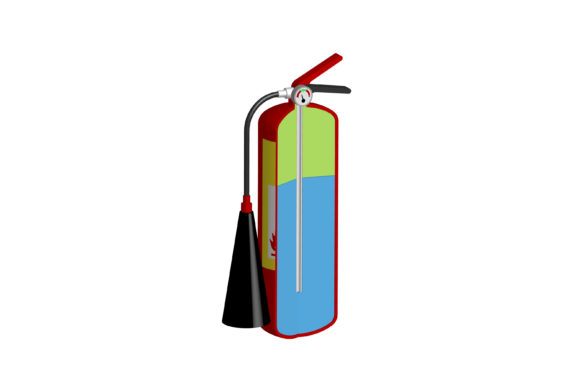
Check the pressure gauge on your extinguisher every few months. The needle should be in the green zone. If it is in the red, the unit needs to be replaced or recharged. Also, shake the canister gently once a year to keep the powder from settling and clumping. Most people set a reminder on their phones to check their smoke detectors and their extinguisher at the same time. That simple recurring task keeps you ready without much effort.
Strengths and Real Limits
Let’s be honest: a red household fire extinguisher works great on fires that are still small and contained. It can put out a trash can fire, a pan fire, or a small electrical flame. But if the fire has already reached the ceiling, spread to multiple rooms, or involves large amounts of flammable liquid, you need to evacuate and call emergency services immediately. No extinguisher is a substitute for escape planning or professional firefighting.
Another limitation is that dry chemical extinguishers leave a mess. The powder is corrosive to electronics and can be tricky to clean from countertops, appliances, and carpets. That said, a messy kitchen is infinitely better than a burned one. Some people opt for clean-agent extinguishers for sensitive areas like home offices or server rooms, but those are more expensive and harder to find. For most households, the ABC dry chemical extinguisher remains the practical, budget-friendly choice.
Small Habits That Make the Difference
People who actually use their extinguishers in an emergency often share one thing in common: they had practiced the PASS technique (Pull the pin, Aim low, Squeeze the lever, Sweep side to side) at least once before the real event. You do not need a formal training course—just read the instructions on the canister and mentally walk through the motion. Some people even do a dry run in the yard with an old extinguisher to get the feel of it.
Another habit worth adopting is keeping your extinguisher away from potential fire sources. If you store it directly above the stove, a fire there could make it unreachable. A better spot is near the kitchen exit, mounted on the wall, or inside a cabinet that is clearly labeled. In the garage, place it near the door leading into the house rather than next to the workbench. Small positioning choices can be surprisingly important when seconds count.
Different People, Same Red Canister
A retiree living alone in a small cottage, a couple renovating a fixer-upper, a single parent juggling three kids in a townhouse, or a college student in a shared apartment—all of them face different fire risks, but they can all benefit from that same red household fire extinguisher. What changes is where they put it and how often they think about it. For the retiree, it might sit by the kitchen door. For the renovator, it might live in the garage near tools and paint. For the parent, it might hang in the hallway within sight of both the kitchen and the kids’ rooms.
At the end of the day, that red canister is a quiet piece of readiness. You might go years without ever thinking about it, and that is fine. But when the unexpected happens, having it within arm’s reach transforms a moment of panic into a moment of action. That alone is worth the shelf space and the annual check. Whether you buy it as a gift for a new homeowner, add it to your camping gear, or simply upgrade the one you’ve had since you moved in, it is one of the few purchases you hope never to use—but will never regret owning.