Interior Design 3D Rendering: Turning Ideas into Spaces You Can See Before They Exist
You finally decide to renovate the living room. You pick out paint colors, measure the sofa, imagine a new layout. But when the furniture arrives, it feels off. The rug is too small. The sofa blocks the walkway. The wall color looks different next to the flooring. That gap between what you imagined and what actually shows up is expensive, frustrating, and completely avoidable.
That is exactly where interior design 3D rendering changes everything. Instead of guessing, you get to see the space before a single piece of furniture arrives or a wall gets painted. It is not just for designers anymore. It has become a practical tool for homeowners, entrepreneurs, marketers, and anyone who needs to make confident decisions about a room.
What Interior Design 3D Rendering Actually Does for You
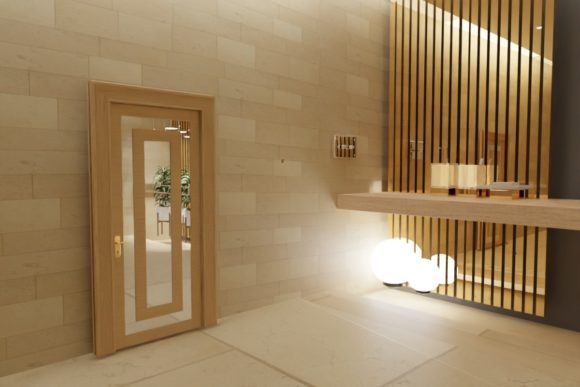
At its core, interior design 3D rendering is the process of creating a realistic digital model of a space. You can place furniture, adjust lighting, change materials, and walk through the room as if it already exists. The technology has moved past stiff, unrealistic images. Modern renders look like photographs. You can see how morning light hits the kitchen counter, how a velvet chair reflects overhead lighting, or how different wood tones interact in the same room.
The real value is not the image itself. It is the clarity it gives you before spending money. When you see a rendering, you notice things. The coffee table is too large for that corner. The pendant light hangs too low. The bookshelf competes with the window. Those are discoveries you want to make on a screen, not after the invoice is paid.
Where People Actually Use Interior Design 3D Rendering
The use cases go far beyond what most people expect. Here is where it shows up in real life.
Renovating a Home Without the Regret
A couple wants to open up their kitchen into the dining area. They have seen inspiration photos online, but their layout is different. The contractor gives estimates, but they cannot feel the space. An interior design 3D rendering lets them test different configurations. Should the island face the window or the living room? What if they remove that half-wall instead of the full wall? They can compare options side by side before demolition starts. That alone saves thousands in change orders and second-guessing.
Selling Real Estate Before Construction Is Finished
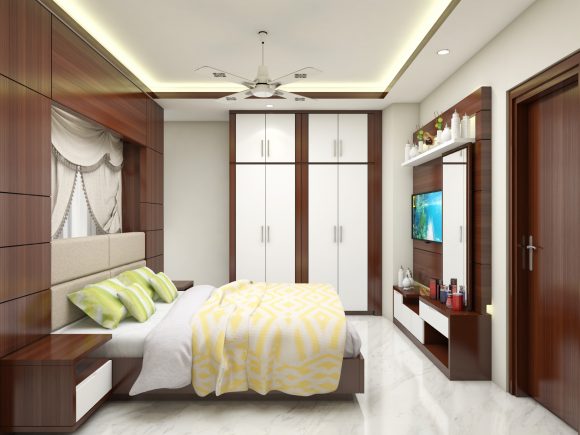
Developers and real estate agents use rendered interiors to market properties that do not exist yet. Buyers see exactly what the master bedroom will look like, including the view from the window and the wardrobe layout. This is not just for luxury developments. Even small renovations or flips benefit. Listing a property with realistic renderings of the finished space attracts more serious inquiries and often leads to faster sales.
Launching a Furniture or Decor Product Line
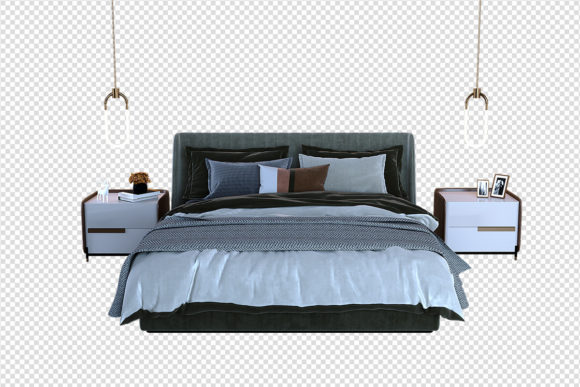
Small business owners who sell furniture, lighting, or decor need to show products in context. A beautiful chair photographed in a studio looks fine, but showing it in a fully styled room helps customers imagine it in their own home. Interior design 3D rendering allows brands to create multiple room settings without renting a photo studio, hiring a stylist, or shipping heavy inventory to a location. They can change wall colors, flooring, or accessories with a few clicks. That flexibility means more product pages, more inspiration, and higher conversion rates.
Planning Commercial Spaces and Offices
Business owners opening a café, retail store, or coworking space need to think about flow, branding, and customer experience. A rendering helps them test seating arrangements, signage placement, and lighting zones. A café owner might realize that the counter placement creates a bottleneck during busy hours. That observation on a render leads to a better floor plan before construction begins. The same applies to offices. Teams can evaluate open layouts versus private pods, see how natural light affects different areas, and plan for future growth.
Designing Short-Term Rentals and Staging Properties
Airbnb hosts and vacation rental owners increasingly rely on rendered interiors to plan spaces that photograph well and appeal to guests. A rendering helps them choose between a sofa bed or a proper bed, decide on color schemes that work in photos, and avoid clutter. Staging companies also use renders to show homeowners what their empty property could look like with rented furniture, without physically moving anything until the plan is approved.
Teaching and Learning Interior Design
Educators and students use rendering as a teaching tool. Instead of drawing floor plans on paper, students create full visualizations of their ideas. They experiment with materials, lighting, and scale in ways that would be impractical with physical samples. This hands-on approach builds confidence and portfolio pieces at the same time. Hobbyists who want to learn design skills also benefit. Online courses now include rendering modules where beginners can follow along and create their first realistic room image.
How Different Users Benefit in Real Situations
Entrepreneurs use rendering to prototype a retail space without committing to a lease. A pop-up shop concept becomes testable. They can show the rendering to potential investors or landlords to secure funding or better terms. That visual clarity builds trust faster than a spreadsheet or description.
Freelance designers use rendering to win clients. When a potential client sees a realistic image of their future living room, they stop comparing prices and start imagining their life in that space. The render does the selling. Designers who include renderings in their proposals report higher acceptance rates and fewer revisions because the client already approved the visual direction.
Bloggers and content creators use rendered interiors to produce before-and-after transformations, mood boards, and style guides without having to redecorate a real room every week. They can create content around trends, compare design styles, or even build virtual showrooms. The audience gets valuable inspiration, and the creator saves time and money on physical staging.
Homeowners who are not designers still use rendering services to communicate with contractors. Instead of vague descriptions, they show an image. The contractor sees exactly what the homeowner expects. That alignment reduces misunderstandings, change orders, and frustration on both sides.
What to Consider Before Using Interior Design 3D Rendering
Jumping into rendering without thinking through a few things can lead to wasted time or disappointing results. Here is what actually matters.
Your Comfort Level with Software
Not everyone needs to become a 3D modeling expert. Homeowners often hire a freelance renderer for a single project. It is affordable and saves learning time. If you plan to use rendering regularly, like a designer or small business owner, learning software like SketchUp, Blender, or Lumion makes sense. Start with simpler tools and move up as your projects grow. Many programs have free trials or student versions, so test before buying.
Hardware Requirements Are Real
Rendering software demands a decent computer. A laptop with integrated graphics can run basic projects, but realistic lighting and textures need a dedicated graphics card and sufficient RAM. Check system requirements before purchasing software. Otherwise, you might find yourself waiting hours for a single image to process. Cloud rendering services offer an alternative if your hardware is limited.
Photography vs. Rendering
Rendering is not always the answer. If you already have the physical space and the furniture, photography may be faster and cheaper. Rendering excels when you want to test options, show something that does not exist yet, or create consistent visuals across multiple settings. Choose the tool based on the situation, not the trend.
Budget and Timeline
A single high-quality render from a professional can take days and cost several hundred dollars. Multiple views or an animated walkthrough cost more. If your project is small, a simpler visualization might be enough. Discuss expectations upfront with a freelance renderer or set clear limits on your own time if doing it yourself. Over-polishing a render of a small bathroom may not be worth the hours.
Realism vs. Practicality
It is tempting to make a render look flawless, with perfect lighting and styled accessories. But if the goal is decision-making, accuracy matters more than drama. Show the real furniture dimensions, actual material colors, and realistic lighting conditions. A render that looks beautiful but misrepresents the space sets you up for disappointment. Keep the focus on honesty over aesthetics.
Bringing It All Together
Interior design 3D rendering is not about flashy images. It is about making informed decisions before you commit money, time, or materials. Whether you are a homeowner trying to avoid a costly mistake, a business owner planning a new location, or a creator building content for an audience, the ability to see a space before it exists is a practical advantage. Start with a single room, a clear outcome in mind, and the right tool for your situation. You will quickly discover that the gap between imagination and reality gets a lot smaller when you can actually see what you are planning.