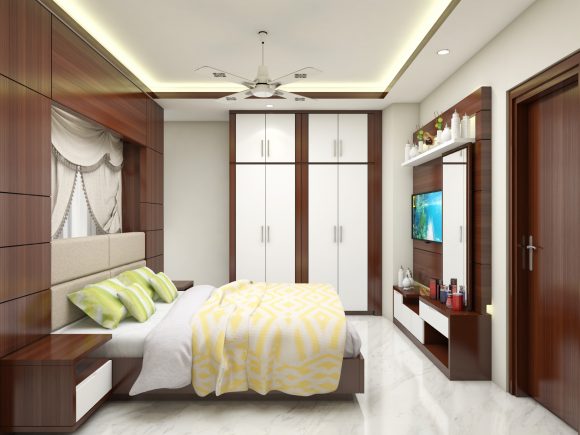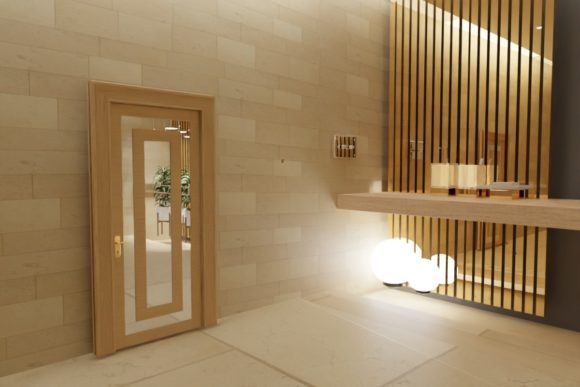
Colorful Bathroom Interior 3D Design
Planning a bathroom renovation can feel like stepping into a maze of tile samples, paint swatches, and fixture catalogs. You know you want something vibrant and personal, but it is difficult to picture how all those colors will look together in a real space. This is exactly where colorful bathroom interior 3D design becomes an essential tool. It bridges the gap between imagination and reality, letting you see exactly how bold tiles, playful wall colors, and creative layouts will work in your home before you spend a single dollar on materials.
Colorful bathroom interior 3D design refers to the process of using specialized software to create a three-dimensional visual model of a bathroom that features a vibrant color palette. Unlike traditional 2D floor plans or basic renderings, a 3D design allows you to walk through the space virtually, inspect every angle, and experiment with different color combinations. It turns abstract ideas into a lifelike preview that saves time, money, and frustration.
Why Bathroom Color Choices Feel So Risky
Bathrooms are small but they receive a lot of daily use. The moisture, lighting changes, and reflective surfaces make color behave differently than in other rooms. A peach tile that looks warm in the showroom can turn orange under your bathroom bulbs. A navy vanity might feel cozy in a photograph but claustrophobic in a tight space. These are real concerns that make many people default to safe neutrals, even when they secretly want something more expressive.
Another challenge is coordination. A colorful bathroom involves multiple surfaces: walls, floors, countertops, cabinetry, and fixtures. Getting all these elements to harmonize without clashing is difficult without a visual reference. You can hold a tile sample next to a paint chip, but that doesn't show you how the grout will look, how the lighting will cast shadows, or how the overall composition will feel when you step inside.
Budget also plays a role. Bathroom renovations are expensive, and mistakes are costly. If you choose a color that doesn't work, you are not just repainting a wall. You might be replacing custom tilework or reordering a vanity. That kind of error can set you back thousands of dollars and delay your project by weeks.
How 3D Design Removes the Guesswork
Colorful bathroom interior 3D design addresses these pain points directly. It provides a safe environment to test color combinations without commitment. You can try a coral accent wall with a sage green vanity, see how it looks, and then change it to mustard yellow in seconds. The software handles all the variables, including lighting angles, reflection, and texture, so you get a realistic preview rather than a cartoonish approximation.
For many homeowners, the biggest relief is seeing how colors behave under different lighting conditions. A 3D model can simulate morning sunlight, evening warm light, and overhead fixtures. This means you can catch potential problems early. That vivid chartreuse tile might look stunning in midday natural light but garish under LEDs. With a 3D model, you will know before you place an order.
Beyond color selection, 3D design helps with spatial planning. A colorful bathroom is not just about picking fun shades; it is about distributing them effectively. A 3D model shows you exactly where to apply bold colors for maximum impact and where to use neutral zones to let the eye rest. You can see if a bright pink floor will overpower a small space or if a multicolored mosaic backsplash will feel busy next to patterned wallpaper.
Practical Applications for Everyday Homeowners
People approach colorful bathroom interior 3D design from different starting points. Some already have a strong color idea and need help execution. Others have no clue where to begin and want inspiration. The beauty of 3D design is that it serves both mindsets equally well.
If you already love a specific color, like turquoise or terracotta, you can input that color into the model and then test complementary shades around it. The software will help you build a cohesive palette. For example, you might find that a turquoise vanity looks best with a warm white wall and a deep coral accent shelf. That combination might not be obvious from paint chips alone, but in a 3D model it looks natural and inviting.
If you are exploring from scratch, 3D design can generate palette suggestions based on popular styles. You can browse virtual bathrooms in bohemian, mid-century modern, tropical, or Scandinavian aesthetics. This gives you a visual vocabulary to understand what appeals to you. You might discover that you love the look of a pastel pink bathroom with black fixtures, a combination you never considered before.
Another practical application is material selection. Color in a bathroom comes not just from paint but also from tile, stone, glass, metal, and wood. A 3D model shows how different materials reflect and absorb color. Glossy subway tile bounces light and makes a color look brighter, while matte porcelain absorbs light and makes the same color look deeper. Seeing this distinction in a 3D design helps you choose materials that align with your desired mood.
Examples of Colorful Bathroom Interior 3D Design in Action
Consider a small powder room that feels cramped and uninteresting. A 3D design can show you that painting the ceiling a pale sky blue draws the eye upward and makes the room feel taller. Pairing that with a warm ochre wall and a white pedestal sink creates a cheerful and spacious look. Without the 3D model, you might have painted everything white, which would have been safe but dull.
Another example is a family bathroom where multiple users have different preferences. You can use 3D design to create a zone approach: a playful coral and teal area around the kids' sink, and a more subdued slate and lavender palette around the adult vanity. The model shows how these zones can coexist without visual chaos by using a neutral continuous floor tile.
For someone renovating a rental property or a vacation home, colorful bathroom interior 3D design is a way to test market appeal. You can create a design that is bold but not polarizing, like a warm apricot wall with cream tile and brass fixtures. Then you can show that virtual design to potential renters or guests to get feedback before investing in construction.
Recommendations for Getting Started
To make the most of colorful bathroom interior 3D design, begin by gathering inspiration images that speak to you. Even if they are not bathrooms, save photos of rooms, landscapes, or artwork that have color combinations you love. These will serve as reference points when you build your model. Many 3D design tools allow you to upload images and extract color palettes, which streamlines the process.
Next, think about how you use the bathroom. A bright, energizing palette works well for a morning shower routine, while a softer, cooler palette suits a relaxing evening bath. Let your daily habits guide your color choices. The 3D model will confirm whether the mood you want is achievable in your specific space.
Work with a professional designer who specializes in 3D visualization if you want a truly polished result. Many interior designers now offer a virtual design package that includes a colorful bathroom interior 3D design. They can handle the technical aspects and provide expert advice on color theory, material compatibility, and lighting. If you are more hands-on, there are user-friendly software platforms that let you create your own model with drag-and-drop simplicity.
Different Approaches for Different Users
A first-time homeowner might use colorful bathroom interior 3D design to avoid costly mistakes. They may not have a strong design background, so they rely on the software to guide them toward safe but exciting choices. They appreciate the ability to experiment freely without pressure.
An experienced renovator might use 3D design to push boundaries. They have already mastered neutrals and want to explore intense color stories like jewel tones, neon accents, or color blocking. For them, the 3D model is a playground for creativity where they can test radical ideas before committing to them in real life.
A real estate developer might use colorful bathroom interior 3D design to differentiate properties. In a competitive market, a memorably colorful bathroom can be a selling point. The developer uses 3D design to create renderings for marketing materials, showing potential buyers a lifestyle rather than just a room.
A person with sensory sensitivities or a disability may also benefit. Color can affect mood and spatial perception. 3D design allows them to fine-tune a palette that feels calming and accessible. They can test high-contrast colors for visibility or soft, muted tones for relaxation.
Considerations for Long-Term Satisfaction
Trends come and go, but your bathroom should bring you joy for years. Colorful bathroom interior 3D design helps you identify which colors resonate with you personally versus what is currently popular. If you love a bold geometric tile pattern, the 3D model will show you how to anchor it with timeless fixtures so the overall design remains fresh even as trends shift.
Another consideration is maintenance. Bright colors show dirt, water spots, and wear differently than neutrals. A 3D model cannot predict grout staining or cleaning difficulty, but it can help you plan where to place high-maintenance colors. For example, you might reserve a vivid color for a backsplash that is easy to clean rather than for a floor that receives heavy traffic.
Finally, remember that colorful bathroom interior 3D design is a tool, not a substitute for personal taste. Let the model inform your decisions, but trust your instincts. If a design looks technically good in the software but does not feel like you, keep exploring. The goal is a bathroom that makes you smile every time you walk in, and the right 3D design process will help you find that exact combination of color and function.
Whether you are planning a complete gut renovation or a simple refresh, colorful bathroom interior 3D design gives you clarity, confidence, and creativity. It transforms the risk of bold color into an informed choice, and it empowers you to create a personal sanctuary that reflects your style in the most vivid way possible.