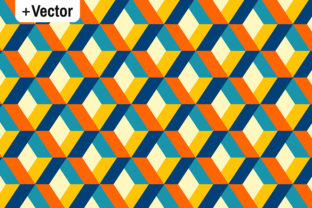
Retro Colors Overlapped Diamond Shapes: The Revival of Geometric Symmetry in Design
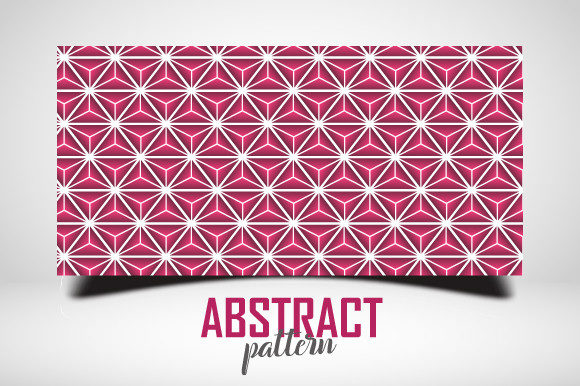
Across creative disciplines, certain visual motifs possess a rare ability to bridge generations. Few patterns accomplish this with the same quiet confidence as retro colors overlapped diamond shapes. This distinctive configuration—where translucent or semi-opaque diamonds intersect at calculated angles, bathed in hues borrowed from mid-century palettes—has resurfaced as a defining aesthetic in contemporary design. Its appeal lies not in novelty but in a deeply familiar yet surprising harmony of form and color.
Tracing the Origins of Overlapped Diamond Geometry
The diamond shape itself predates recorded visual culture. From ancient textile patterns to Byzantine mosaics, the rhombus has been a structural and symbolic staple. However, the specific treatment of overlapped diamond shapes gained prominence during the 1960s and 1970s, a period when graphic designers began experimenting with optical effects and layered transparency. Influenced by the Op Art movement and the vibrant color theory of the Bauhaus legacy, artists discovered that overlapping diamonds created a unique visual vibration—a sense of movement without actual motion.
During this era, color palettes leaned toward mustard yellows, avocado greens, burnt oranges, and deep teals. These hues, when applied to overlapped diamond grids, produced compositions that felt both energetic and grounded. The pattern appeared on everything from album covers and wallpaper to corporate logos and television idents. The appeal was universal because the geometry was simple enough to reproduce at any scale yet complex enough to reward prolonged looking.
The Color Palette That Defined an Era
Understanding why retro colors overlapped diamond shapes work so effectively requires a closer look at the specific colors involved. The retro palette typically includes:
- Warm earth tones like terracotta, amber, and ochre
- Muted cool hues such as sage, slate blue, and teal
- Accent brights including coral, mustard, and lime
- Neutral anchors like cream, charcoal, and warm white
These colors share a common characteristic: reduced saturation compared to modern digital palettes. This inherent muteness allows overlapped diamond shapes to blend without muddying. When two diamonds overlap, the resulting intersection creates a third color—an effect reminiscent of analog printing processes like screen printing or lithography. This optical mixing is a core reason why the pattern feels inherently retro even when executed with modern tools.
Why Overlapped Diamond Shapes Resonate Across Creative Fields
The resurgence of retro colors overlapped diamond shapes is not merely a nostalgic impulse. Designers, architects, and brand strategists have recognized that this motif solves several visual communication challenges simultaneously.
Visual Depth Through Layered Transparency
One of the most striking properties of overlapped diamond patterns is the illusion of depth created by overlapping. Unlike simple grids or stripes, the diamond overlap introduces a third dimension conceptually. The eye perceives a front layer, a back layer, and an intersection zone. This layered quality adds richness to flat surfaces without requiring gradients or shadows. For digital interfaces, this means visual interest without increased load time or complexity. For print, it means a tactile, screen-like quality that invites touch.
Consider a brand identity built around retro colors overlapped diamond shapes. The logo mark itself might consist of two diamonds crossing at a sixty-degree angle, with the intersection rendered in a tone that bridges the two parent colors. This single element can function as a standalone icon, a repeating pattern for packaging, or a background texture for digital assets. The versatility is built into the geometry.
Versatility in Scale and Context
Another reason for the widespread adoption of overlapped diamond motifs is their scalability. At a macro level, a single large diamond overlap can define a hero image or architectural façade. At a micro level, a dense grid of small overlapping diamonds creates a textile-like texture that reads as a unified field. This duality is rare in geometric patterns. Most either work at a single scale or lose coherence when enlarged or reduced. Overlapped diamonds retain their structural integrity across orders of magnitude.
For business owners considering a visual refresh, this scalability translates directly into cost efficiency. A single pattern system can be applied to signage, stationery, website backgrounds, and product packaging without requiring separate design treatments for each medium.
Practical Applications in Modern Design Workflows
Integrating retro colors overlapped diamond shapes into a design workflow requires thoughtful planning. The following subsections outline real-world applications across several domains, with practical advice for each.
Branding and Identity Systems
Brands seeking a balance between approachable and sophisticated often turn to overlapped diamond geometries. The pattern communicates structure without rigidity, warmth without sentimentality. A brand targeting environmentally conscious consumers, for example, might use overlapped diamonds in earth tones to suggest interconnectedness and organic systems. A tech startup targeting creative professionals might use the same geometry in brighter retro hues to signal innovation with a human touch.
When implementing overlapped diamond shapes in a brand system, consider the following practical steps:
- Start with two base colors from the retro palette and test how their overlap behaves at various opacities.
- Define a primary overlap angle—45 degrees is common, but 30 or 60 degrees can create distinctive rhythms.
- Create a secondary monochrome version for applications where color printing is unavailable, using tint and shade to preserve the overlap effect.
- Test the pattern at extreme sizes to ensure the overlap remains legible as a small favicon and as a large banner.
Digital Interfaces and User Experience
User experience designers have discovered that overlapped diamond patterns can serve multiple functional roles in digital products. Used sparingly, they add visual texture to loading states, empty states, and background sections. Used boldly, they can define entire visual systems for dashboards, analytics platforms, or creative tools.
A key advantage in digital contexts is the pattern's ability to guide attention. The natural intersections of overlapped diamonds create focal points that can be aligned with interactive elements like buttons, input fields, or data visualizations. This creates a cohesive visual hierarchy without relying on heavy borders or box shadows. For accessibility, the pattern's inherent contrast can be adjusted by tweaking the opacity of overlapping sections, ensuring readability for users with visual impairments.
Architectural and Interior Detailing
Beyond the screen and printed page, retro colors overlapped diamond shapes have found a natural home in architecture and interior design. The geometry lends itself to tile patterns, window films, perforated metal panels, and textile designs. In commercial spaces, a large-scale overlapped diamond pattern on a feature wall can define a brand's physical presence without requiring expensive custom fabrication.
For residential projects, overlapped diamond motifs offer a way to introduce pattern without overwhelming a space. A backsplash in a kitchen or bathroom, for instance, can use two or three retro colors in a diamond overlap layout. The result is a surface that changes appearance depending on the viewing angle and lighting conditions—a dynamic quality that static patterns cannot achieve.
Key Considerations When Working with Overlapped Diamond Motifs
Despite their versatility, overlapped diamond shapes require careful handling to avoid common pitfalls. The following considerations apply across all use cases, from branding to architecture.
Color Harmony and Contrast Ratios
Because the overlap creates new colors optically, the choice of parent colors directly determines the quality of the intersection zone. If the parent colors are too similar in value, the overlap will appear muddy. If they are too contrasting, the overlap may create an unintended third color that competes with the original palette. A reliable approach is to select one warm and one cool hue from the retro palette, ensuring they have similar lightness levels. For example, a muted coral and a slate blue will produce a soft purple-gray overlap that feels intentional rather than accidental.
Complexity Management in Overlap Patterns
As the number of overlapping diamonds increases, the visual complexity grows exponentially. A pattern with three or four overlapping diamond layers can quickly become chaotic if not carefully planned. A useful guideline is to limit the pattern to two or three distinct diamond layers, each with a defined transparency setting. For digital applications, CSS blend modes like multiply, screen, or overlay can simulate the analog overlap effect with precision. For print, working with spot colors and defined overprint settings ensures consistent results across production runs.
Tools and Techniques for Creating Retro Overlapped Diamond Art
Whether you are a professional designer or a hobbyist exploring geometric patterns, several approaches can help you create compelling retro colors overlapped diamond shapes efficiently.
Vector-Based Approaches
Vector software remains the most flexible environment for constructing overlapped diamond patterns. The workflow typically begins with a single diamond shape, which is duplicated and rotated to the desired overlap angle. By applying transparency and blend modes, the designer can preview the overlap effect in real time. Tools like Adobe Illustrator, Affinity Designer, or the open-source Inkscape offer native support for these operations. A recommended technique is to build a single overlap unit, then tile that unit to create a seamless pattern swatch. This swatch can then be exported for use in web, print, or motion projects.
Raster and Texture Methods
For a more tactile, organic interpretation of overlapped diamond shapes, raster-based approaches offer unique advantages. By painting diamond shapes on separate layers with varying brush textures, artists can simulate the imperfections of screen printing or hand-painted murals. This approach is particularly effective when the goal is to evoke a specific historical period—for example, a 1970s retail aesthetic or a 1960s educational film strip. Photoshop, Procreate, and Clip Studio Paint all support layer blend modes that replicate the analog overlap effect.
The Intersection of Nostalgia and Modern Aesthetics
The current popularity of retro colors overlapped diamond shapes is part of a broader cultural cycle in which visual languages from previous decades are reinterpreted through contemporary lenses. What distinguishes this resurgence from mere retro revival is the intentional use of overlapped geometry as a functional design tool rather than a decorative gimmick.
Audience Perception and Emotional Response
Research in color psychology and geometric perception suggests that overlapped diamond patterns elicit specific emotional responses. The diamond shape itself is associated with stability, value, and precision. The overlapping introduces an element of surprise or discovery—the viewer's eye moves across the pattern, finding new intersections and color relationships with each glance. When combined with retro colors, these shapes evoke feelings of warmth, familiarity, and craftsmanship. For audiences who grew up during the original era of these patterns, there is an additional layer of personal memory. For younger audiences, the pattern reads as fresh yet grounded, offering an alternative to the flat, minimalist trends that dominated the previous decade.
Sustainability and Timelessness in Design
An often-overlooked advantage of geometric patterns like overlapped diamond shapes is their potential for longevity. Unlike trends tied to specific cultural moments, geometric motifs have a tendency to cycle back into relevance without feeling dated. Investing in a visual system based on retro colors overlapped diamond shapes can offer a brand or project a lifespan of five to ten years or more, provided the color palette is chosen with care. Earth tones and muted hues tend to age more gracefully than high-saturation neons, making them a safer choice for long-term identity work.
From a sustainability perspective, patterns that work across media reduce the need for redesigns and reprints. A pattern that functions equally well on a website, a business card, and a building wrap eliminates the need to create separate visual assets for each application. This efficiency aligns with broader goals of reducing material waste and design churn.
Implementation Roadmap for Creators and Business Owners
For those ready to incorporate retro colors overlapped diamond shapes into their work, a structured implementation approach can save time and ensure consistency.
- Define the core palette by selecting two to four retro colors with similar lightness values. Test them in both digital and print environments.
- Determine the overlap angle and scale based on the primary use case. A 45-degree angle with a moderate overlap ratio works for most applications.
- Create a pattern system that includes a full-color version, a monochrome version, and a simplified version for small scales.
- Document the specifications including hex codes, transparency values, blend modes, and minimum size thresholds for legibility.
- Test across contexts from mobile screens to large-format print to ensure the pattern performs as intended.
- Gather feedback from a diverse audience to confirm that the emotional and functional responses align with your goals.
This roadmap applies equally to a solo entrepreneur designing their own brand, a design team rolling out a corporate identity, or an educator introducing students to geometric color theory. The steps are sequential but allow for iteration at each stage.
Common Mistakes to Avoid
Even experienced designers can encounter challenges when working with overlapped diamond patterns. Being aware of these pitfalls early can prevent costly revisions:
- Overcomplicating the palette: Using more than four colors in an overlapped pattern often produces unintended muddy intersections. Stick to a limited palette and let the overlap create variety.
- Ignoring the background: The background color or texture interacts with the overlapped diamonds, especially at the edges of the pattern. Always test the pattern on the intended background surface.
- Neglecting accessibility: Overlapped patterns can create contrast issues for viewers with color vision deficiencies. Use tools to simulate how the pattern appears under different vision types.
- Forcing symmetry: While overlapped diamonds naturally suggest symmetry, perfect mathematical symmetry can feel static. Small variations in angle or opacity can introduce welcome visual rhythm.
Overlapped diamond shapes in retro colors offer a remarkable balance of structure and spontaneity, nostalgia and innovation. Their revival in contemporary design speaks to a broader cultural desire for patterns that feel intentional yet alive, grounded yet dynamic. Whether applied to a brand identity, a digital interface, an interior space, or a personal art project, this geometric approach rewards both the creator and the viewer with layers of meaning that unfold over time. The pattern does not demand attention—it earns it, one intersection at a time.